
5 Preventive Services That Support Healthier Smiles Year Round
A healthy smile starts long before a tooth hurts. You deserve care that keeps pain away, protects your budget, and supports your daily life. Preventive services do that work quietly, visit after visit. They catch small problems early. They keep your mouth clean, steady, and strong through every season. A trusted dentist in Westwood can guide you through simple steps that fit your routine. You do not need complex plans. You need clear habits and regular support. This blog walks through five services that protect your teeth and gums all year. Each one is practical. Each one reduces risk. Together, they lower stress during appointments and help you avoid urgent care. You gain fewer surprises, shorter visits, and more control over your health. You also gain a smile that feels comfortable when you eat, speak, and laugh.
1. Regular checkups and cleanings
Routine visits give you the strongest line of defense. A cleaning removes plaque and tartar that brushing cannot reach. A checkup lets your dentist spot early warning signs.
During a standard visit, your care team will usually:
- Review your health history and medicines
- Check your teeth, gums, and bite
- Clean and polish your teeth
- Talk through home care and eating habits
Frequent visits reduce the chance of sudden pain. They also reduce the need for complex treatment later. The Centers for Disease Control and Prevention links regular dental care with lower rates of untreated decay and tooth loss.
For most children and adults, two visits each year work well. If you have diabetes, dry mouth, or gum disease, you may need more frequent care. Your dentist will set a schedule that matches your risk.
read more : https://bistrover.com/
2. Fluoride treatments that harden tooth enamel
Fluoride is a natural mineral. It helps rebuild weak spots in your tooth surface. It also slows decay. You take in fluoride through toothpaste and water. A professional treatment gives you a stronger boost.
During a fluoride treatment, your dentist may use a varnish, gel, or foam. The process is quick and painless. It often takes only a few minutes at the end of a cleaning.
Fluoride treatments help:
- Children with growing teeth
- Adults with many fillings
- People with dry mouth from medicine
- Anyone with frequent cavities
The National Institute of Dental and Craniofacial Research explains that topical fluoride reduces tooth decay for both children and adults. Regular use means fewer fillings and less time in the chair.
3. Dental sealants that shield back teeth
Back teeth have tiny grooves that trap food. Even strong brushing can miss these spots. Sealants place a thin shield over the chewing surfaces of these teeth. This shield blocks food and bacteria.
The process is simple:
- The tooth is cleaned
- A gentle solution prepares the surface
- The liquid sealant is brushed on
- A curing light hardens the coating
Sealants work best on the molars of children and teens. Adults with deep grooves can benefit as well. The coating is clear. You do not feel it when you bite.
4. X-rays that catch hidden problems early
You cannot see every problem by looking in a mirror. X-rays reveal issues that hide between teeth or under fillings. They show decay, infection, bone loss, and how teeth sit in the jaw.
Modern digital X-rays use low radiation. Your dentist will decide how often you need them. Your risk for decay and gum disease guides that choice. Children who still have baby teeth may need them more often so that the dentist can track growth.
Early detection from X-rays can:
- Prevent small cavities from turning into root canals
- Reveal infections before they spread
- Guide braces and other growth treatment
5. Personalized home care coaching
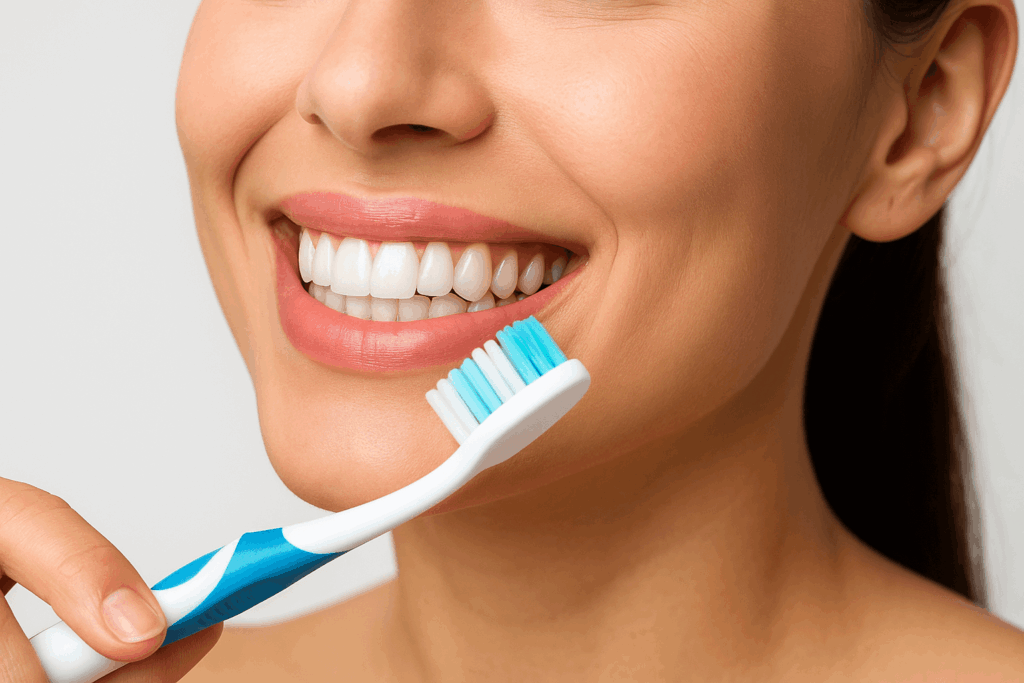
What you do each day has more impact than any single office visit. You need clear, simple steps for home care. Your dentist and hygienist can coach you in ways that fit your life.
This coaching may include:
- Showing you how to brush along the gumline
- Helping you pick a toothbrush and floss that you will use
- Setting a routine for kids so they brush long enough
- Talking about drinks and snacks that fuel decay
Small changes help. You might add one extra brushing session. You might switch from sugary drinks between meals to water. You might use a timer for children so that they brush for two minutes.
How preventive services protect your smile and wallet
Preventive care saves teeth. It also saves money and time away from work or school. The pattern is clear. Early care costs less than urgent treatment.
Average impact of preventive care compared with delayed care
| Type of visit | Typical timing | Usual treatment | Relative cost | Time in chair |
|---|---|---|---|---|
| Preventive checkup | Every 6 months | Cleaning, exam, fluoride | Low | Short |
| Early cavity visit | When caught on X ray | Small filling | Moderate | Moderate |
| Delayed care visit | After pain starts | Root canal or extraction | High | Long |
This table shows a pattern that many families feel in real life. Regular visits lead to quick cleanings. Delayed visits often lead to long procedures that strain your budget and your nerves.
Building a year-round plan for your family
You can protect your household with three simple steps.
- Schedule routine checkups for every family member at the same time of year
- Use one shared calendar and set reminders for brushing and flossing for children
- Talk with your dentist about fluoride, sealants, and X-rays that match each person
Children, adults, and older adults all deserve steady care. Seasons change. School and work get busy. Pain often appears when life is most crowded. A clear preventive plan keeps your smile steady through all of it.
You do not need perfection. You need progress and support. With regular visits, smart preventive services, and simple home habits, you can keep your teeth and gums stronger throughout every month of the year.