
The Role Of Family Dentistry In Early Detection Of Oral Issues
Your mouth often shows early warning signs before pain starts. A Madison, GA family dentist sees these signs during regular checkups. You may notice only small changes. A trained dentist sees patterns that point to tooth decay, gum disease, oral cancer, or bite problems. Early detection protects your health, your money, and your time. Regular family visits also create a record of your teeth and gums. That record helps your dentist spot changes quickly. Children, adults, and older adults all face different oral risks. One trusted office can track those risks over many years. You gain clear advice, fast answers, and simple steps to fix problems while they are still small. You also avoid many emergencies that bring shock and fear. This blog explains how steady family dental care can uncover hidden issues before they damage your smile or your health.
Why early detection matters for your whole family
Oral problems rarely start as sudden pain. They grow in stages. You often feel nothing at first. That quiet start gives you a chance to act early.
Early detection helps you in three clear ways.
- You keep more natural teeth.
- You avoid long and costly treatment.
- You lower risk of serious disease that affects the whole body.
The mouth connects to the rest of your body. Gum disease is linked to heart disease and diabetes. You protect more than your smile when you treat small issues before they spread. The Centers for Disease Control and Prevention explains these links in plain terms.
How family dentistry supports every life stage
One family office sees children, adults, and older adults. That steady care lets your dentist watch how your mouth changes with age and health.
- Children. Dentists watch baby teeth, new adult teeth, and jaw growth. They spot crowding, weak enamel, and early decay.
- Teens and young adults. They face sports injuries, braces, and new habits like tobacco or vaping. A family dentist tracks these risks.
- Adults. Stress, grinding, pregnancy, and chronic disease change the mouth. Regular checks show these shifts.
- Older adults. Dry mouth, medicines, and past dental work raise the risk for root decay and oral cancer.
When one office knows your history, small changes stand out. A tiny color change on the gums or a new rough spot on the tongue gains meaning when compared with past visits.
Common oral issues caught early in family visits
During a routine visit, the dentist and hygienist look for three main problem groups.
- Tooth decay. Soft spots, white lines, or small pits show the start of cavities.
- Gum disease. Redness, swelling, bleeding, and pocket depth readings point to infection.
- Oral cancer and pre cancer changes. Sores that do not heal, color patches, and lumps need fast review.
The National Institute of Dental and Craniofacial Research offers simple facts on these problems and who faces a higher risk.
What your family dentist checks at each visit
A routine visit seems short. Yet your dentist checks many details. These checks work together to find trouble early.
- Review of your medical and dental history.
- Questions about pain, dryness, or changes in taste.
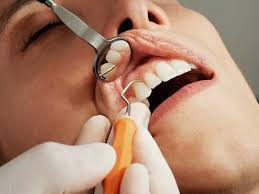
- Visual check of teeth, gums, tongue, cheeks, and throat.
- Gum measurements around each tooth.
- Bite check to see how teeth meet.
- X rays when needed to see hidden decay or bone loss.
Each step adds a piece to your long-term record. With every visit, that record grows sharper. That history helps your dentist see slow changes that you cannot feel.
Early detection vs late treatment
The timing of care often decides how much treatment you need. The table below shows simple examples.
| Condition | When caught early | When caught late |
|---|---|---|
| Small cavity | Short visit. Small filling. Low cost. | Root canal. Crown or extraction. Higher cost and more visits. |
| Gingivitis | Cleaning and home care changes. Reversible. | Advanced gum disease. Bone loss. Risk of tooth loss. |
| Oral cancer spot | Small biopsy and local care. Higher chance of cure. | Surgery, radiation, or chemo. Higher risk of spread. |
| Bite problem in child | Early guides or simple braces. Shorter treatment time. | Complex braces or surgery in adult years. |
Early care often means less pain, shorter time in the chair, and lower stress. Late care often brings fear, longer healing, and regret.
How often should your family see the dentist?
Most people need a checkup and cleaning every six months. Some need visits every three or four months. The right schedule depends on three key points.
- Your risk for cavities and gum disease.
- Your history of dental work.
- Your overall health, including diabetes or heart disease.
Your dentist will explain why a certain schedule fits you. That clear plan helps you stay ahead of problems.
What you can do between visits
Family dentistry works best when home care supports office care. You can lower risk with three daily habits.
- Brush twice a day with fluoride toothpaste.
- Clean between teeth once a day.
- Limit sugary drinks and snacks.
Then watch for warning signs and call your dentist if you notice them.
- Bleeding when you brush.
- Sores that do not heal after two weeks.
- Loose teeth or new spaces.
- New lumps, rough spots, or white or red patches.
The strength of a long-term family relationship
A lasting bond with a family dentist brings more than clean teeth. It builds trust. That trust makes it easier to share fears, ask hard questions, and follow through on care. The dentist learns your health story and your goals. You gain a guide who knows your mouth and your family. That steady partnership keeps problems small and protects your health over time.