5 Cosmetic Dentistry Treatments That Restore Confidence For Adults
Your smile affects how you work, date, and speak. When you hide it, people notice. Teeth that are chipped, stained, or uneven can drain your confidence fast. You may avoid photos, cover your mouth when you laugh, or stay quiet in meetings. That silent worry can feel heavy every single day. A skilled cosmetic dentist in Little Elm TX can change that. Modern treatments are quick, safe, and tailored for adults who feel stuck with “bad teeth.” You do not need a movie star smile. You just need teeth that feel clean, straight, and natural. This blog explains five simple cosmetic dentistry treatments that repair damage, smooth flaws, and brighten your smile. You will see what each treatment does, how it feels, and who it helps. Then you can talk with your dentist and choose the care that matches your needs, budget, and comfort.
1. Professional teeth whitening
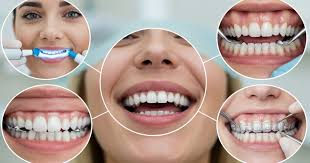
Stains from coffee, tea, tobacco, and aging build up over the years. At some point, toothpaste and strips stop working. Professional whitening uses a stronger but controlled gel that reaches deeper stains.
You usually start with a checkup. The dentist looks for cavities or gum disease first. Then you get a cleaning so the gel touches the whole tooth. Some offices use a light. Others use custom trays you wear at home.
You feel pressure and warmth. Some people feel brief zaps of sensitivity. These fade within a day. The change can feel sharp. Teeth look lighter and cleaner. You may notice you smile more in photos and speak with more ease at work.
2. Tooth bonding for chips and gaps
Small chips, cracks, and gaps can draw your eye every time you look in a mirror. Tooth bonding uses a tooth colored resin that the dentist shapes on the tooth. A light hardens the resin. Then the dentist smooths and polishes it.
Bonding works well when you have:
- A chipped front tooth
- A small gap between teeth
- Rough edges or worn corners
The visit is usually short. You often do not need numbing. The dentist roughens the surface, places the resin, shapes it, and sets it with light. You leave with teeth that look whole and even.
Bonding does not last forever. It can stain and chip. Yet it gives a fast change at a lower cost than veneers or crowns. It can also act as a bridge step while you plan more permanent work.
3. Porcelain veneers for a full smile change
When many front teeth have stains, cracks, or uneven shapes, veneers can give a fresh start. A veneer is a thin shell of porcelain that covers the front of the tooth. It changes color, shape, and length all at once.
You usually need two or three visits. First, the dentist removes a small layer of enamel so the veneer fits. Then the office takes a mold or scan. You wear temporary covers while a lab makes your veneers. At the final visit, the dentist bonds the veneers in place and checks your bite.
Veneers can help if you have:
- Deep stains that do not respond to whitening
- Multiple chipped or worn teeth
- Teeth that look too small or uneven
With good brushing, flossing, and checkups, veneers can last many years. You still need regular cleanings and exams.
4. Clear aligners for crowded or crooked teeth
Crowded or crooked teeth can cause jaw strain and wear. They can also make you cover your mouth when you talk or laugh. Clear aligners use a series of thin plastic trays that move teeth step by step.
You wear each tray for most of the day and night. You remove them to eat and brush. Every few weeks, you switch to a new set. Each set moves teeth a small amount. Over months, your bite shifts into a straighter line.
Clear aligners help when you have mild to moderate crowding or spacing. They work best when you wear them as directed. Treatment can take several months to two years. The benefit is a straight smile without metal brackets.
5. Dental implants for missing teeth
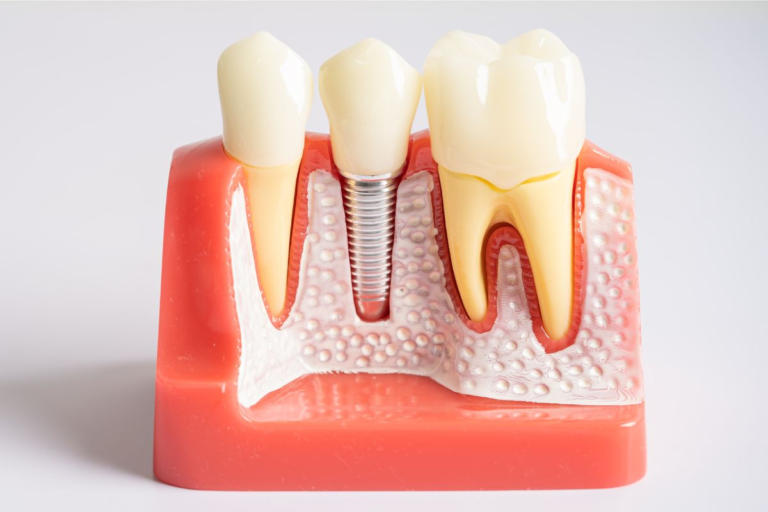
A missing tooth changes how you chew and speak. It also creates a dark space in photos that can feel harsh. A dental implant is a small metal post placed in the jaw to act like a tooth root. After healing, the dentist attaches a crown on top.
The process takes time. You start with an exam and imaging. Then the surgeon places the implant in the bone. Over several months, the bone grows around the post. After that, the dentist adds an abutment and crown.
Implants help when you want a single tooth that stands alone. They also help anchor bridges or dentures. With good care, they can last many years. You still need cleanings and daily brushing and flossing.
Comparison of common cosmetic treatments
| Treatment | Main purpose | Typical number of visits | Common lifespan | Best for |
|---|---|---|---|---|
| Professional whitening | Lighten stained teeth | 1 to 2 | 1 to 3 years | Surface stains and yellowing |
| Tooth bonding | Repair chips and small gaps | 1 | 3 to 7 years | Minor flaws on a few teeth |
| Porcelain veneers | Change color and shape | 2 to 3 | 10 or more years | Many damaged or stained front teeth |
| Clear aligners | Straighten teeth | Multiple checkups | Results can last with retainers | Crowding or spacing |
| Dental implants | Replace missing teeth | Several over many months | Many years | One or more missing teeth |
Choosing the right treatment for you
Start by naming what bothers you most. It may be color. It may be a shape. It may be a missing tooth. Then talk with a dentist about three points.
- Your health and habits
- Your budget
- Your timeline
Bring questions. Ask about pros and cons. Ask how long results last. Ask how to care for your teeth after treatment. You deserve clear answers and a calm plan.
Cosmetic dentistry does more than change teeth. It can lift shame and quiet self-doubt. With the right treatment, you can speak, smile, and laugh without that familiar urge to hide your mouth. That change can touch work, family, and every daily moment where your smile shows up.
Top Mistakes SMBs Make in IT Project Management and How to Fix Them