
How General Dentists Build Personalized Care Plans For Families
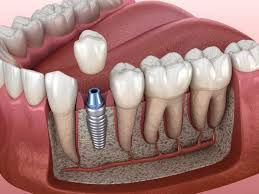
Family oral health can feel confusing. You want clear answers, not guesswork. General dentists build personalized care plans so every person in your home gets what they need at the right time. Children, teens, adults, and older adults face different risks. Each month tells a different story. A strong plan looks at your habits, medical history, budget, and fears. It then sets simple steps you can follow without stress. Regular checkups, cleanings, X-rays, and home care all work together. Sometimes you may need a referral to a specialist, such as a dental implants specialist in Falls Church, VA. That choice should fit into your family plan, not sit apart from it. You deserve care that feels human, clear, and steady. This blog explains how general dentists listen, measure risk, and build a plan that protects your family’s teeth for the long term.
Step 1: Listening To Your Story
A real plan starts with your story. Your dentist asks direct questions and pays attention to your answers. You share what hurts, what scares you, and what you hope to avoid.
Most first visits include three parts.
- Talking about your medical history and medicines
- Reviewing past dental work and past pain
- Discussing your goals, time limits, and money limits
This talk is not small talk. It shapes every choice that follows. For example, some medicines cause dry mouth. That raises your risk for decay. A good plan will address that early.
You can read more about the link between health history and oral health from the National Institute of Dental and Craniofacial Research.
Step 2: Exam And Risk Check
Next, your dentist checks each tooth and your gums. The team may take X-rays and measure the pockets around your teeth. They look for three main problems.
- Tooth decay
- Gum disease
- Bite and jaw issues
They also watch for signs that affect your whole body. These can include infection, grinding, or signs of sleep breathing problems. The goal is simple. Catch problems early so treatment stays small and less costly.
The Centers for Disease Control and Prevention explains common oral diseases and risk patterns.
Step 3: Matching Care To Life Stages
Every age needs a different plan. Your dentist looks at your whole family and assigns care based on life stage.
| Life Stage | Main Risks | Typical Care Steps |
|---|---|---|
| Young children | Early cavities, thumb sucking, fear of visits | Fluoride, sealants, simple cleanings, parent coaching |
| Teens | Sugar drinks, sports injuries, braces care | Diet talk, mouthguards, cavity checks around braces |
| Adults | Gum disease, grinding, stress | Regular cleanings, night guards, stress-related checks |
| Older adults | Tooth loss, dry mouth, complex medical needs | Dentures or implants, saliva support, closer follow-up |
This structure keeps care focused. It also prevents one person in the family from getting lost.
Step 4: Building A Clear Treatment Map
After the exam, your dentist lays out a treatment map. This is a step-by-step list of what needs to happen and in what order.
Most maps include three levels.
- Urgent needs such as infections or deep decay
- Stabilizing care such as fillings or gum treatment
- Long-term care such as crowns, implants, or orthodontics
Each step includes timing and cost. Your dentist explains what can wait and what cannot. You have room to ask blunt questions. That open talk reduces shock and regret.
Step 5: Coordinating With Specialists
Sometimes your needs go beyond general care. You may need root canal therapy, complex gum surgery, or implant placement. Your general dentist acts as your guide.
They do three things for you.
- Choose trusted specialists who fit your needs
- Share your records so you do not repeat tests
- Fold the specialist’s work back into your long-term plan
This prevents gaps. For example, if you see an oral surgeon for an extraction, your dentist will plan the follow-up crown or bridge so you can chew well again.
Step 6: Home Care That You Can Actually Follow
A plan fails if you cannot follow it at home. Your dentist keeps home steps simple and clear. The focus stays on three core habits.
- Brushing twice each day with fluoride toothpaste
- Cleaning between teeth with floss or other tools
- Limiting sugar drinks and snacks
You may also get custom tips. These can include fluoride rinses, special brushes, or jaw exercises. The goal is not perfection. The goal is steady progress that protects your teeth between visits.
read more : https://bistrover.com/
Step 7: Setting Checkup And Cleaning Schedules
Visit timing is not random. Your dentist sets recall visits based on risk. Some people do well with one visit per year. Many need care every six months. People with gum disease or medical issues may need cleanings every three or four months.
This schedule is part of your written plan. It gives you a clear rhythm. It also helps you plan time off work and school without guilt.
Step 8: Updating The Plan Over Time
Your life changes. Your oral health changes, too. A strong family plan is not fixed. Your dentist reviews it at each visit and adjusts based on new facts.
Common triggers for an update include three main events.
- New medicines or a new diagnosis such as diabetes
- Pregnancy or major stress events
- Tooth loss, trauma, or jaw pain
Each change leads to clear steps. That may mean more frequent cleanings, new tools at home, or different treatment choices.
How You Can Take Control Today
You play the central role in this process. You can strengthen your family plan with three simple actions.
- Share full health and dental histories with your dentist
- Ask for a written plan with timing and costs
- Keep every family member on the recall schedule
A personalized care plan does more than fix teeth. It gives your family a sense of security. You know what comes next. You know why it matters. That clarity lowers fear and protects your health for years.