Cosmetic Dentistry For “Black Triangles”: Causes And Treatment Paths
Gaps between your teeth can feel harsh. These “black triangles” pull attention every time you talk, smile, or see a photo of yourself. They collect food. They trap plaque. They can even make you hide your smile. You might think you caused this or that nothing can fix it. That is not true. Black triangles often come from gum loss, past orthodontic work, or natural tooth shape. They are common. They are also treatable. A cosmetic dentist in Los Angeles, CA can close these gaps with careful planning and gentle methods. Options include bonding, veneers, or small changes to tooth shape. Sometimes gum treatment helps. This blog explains why black triangles form, what they mean for your mouth, and what treatment paths you can choose with your dentist. You deserve a smile that feels calm, clean, and complete.
What Are “Black Triangles” Between Teeth
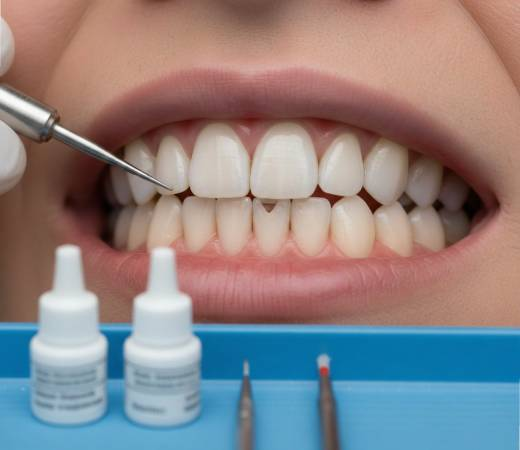
Black triangles are small open spaces near the gumline between teeth. Light hits these spaces and makes them look dark. The shape looks like a triangle. The tip points toward the gums. The base sits between the teeth.
These spaces often form when the gum between teeth pulls back or shrinks. The gum in this spot is the papilla. When it no longer fills the space, the triangle shows.
Black triangles can affect:
- Your smile and how you feel in photos
- Your speech when air slips through the gaps
- Your oral health because food and plaque stay trapped
Common Causes You Should Know
You do not cause black triangles by smiling or brushing. They usually come from three main sources.
1. Gum loss and gum disease
Gum disease can slowly eat away at the support around your teeth. The gum pulls back. Bone can shrink. The papilla no longer fills the space. Black triangles appear.
2. Past orthodontic treatment
Braces or clear aligners can move teeth into better positions. As teeth straighten, hidden spaces can show. If the teeth are shaped like narrow triangles, straightening can uncover dark gaps near the gums. The bite might be better, yet the new smile can show black triangles that were not visible before.
3. Natural tooth and bone shape
Some people are born with teeth that are wider at the top and narrower near the gumline. Some have thin bone between teeth. These natural shapes mean the gum has less support. Even with perfect brushing, black triangles can appear over time.
Why Black Triangles Matter To Your Health
Black triangles are not just a cosmetic concern. They can affect oral health in three key ways.
- They trap food and make cleaning hard.
- They increase plaque buildup and raise the risk of decay.
- They can worsen gum disease if not cleaned well.
These spaces can also affect how you feel. You might avoid laughing. You might cover your mouth. That stress can feel heavy during daily life.
First Step Before Cosmetic Treatment
Before any cosmetic work, your dentist should check and treat any gum disease. Healthy gums give a strong base for cosmetic care. Without this step, cosmetic work may fail or look uneven.
Key checks often include:
- Gum measurements to see if there is hidden bone loss
- X rays to check bone support
- A review of your brushing and flossing habits
The Centers for Disease Control and Prevention shares more on how common gum disease is and why treatment matters.
Main Treatment Paths For Black Triangles
Your treatment plan will match the cause, size, and number of gaps. Often, three types of care work together.
1. Bonding to fill the space
Tooth colored resin can be placed on the sides of teeth to close or shrink the triangle. The dentist shapes and polishes it so it blends with your natural tooth.
- Works well for small to medium gaps
- Often needs no shots or drilling
- Can stain or chip and may need touch-ups
2. Porcelain veneers
Thin porcelain shells can change the width and shape of your teeth. Veneers can close several black triangles across the front teeth and also change color and shape.
- Useful for larger gaps
- More color stable than bonding
- Often needs removal of a small layer of enamel
3. Gum focused treatments
In some cases, gum or bone grafting can rebuild support. This approach aims to help the papilla fill the space again. It may be used with bonding or veneers.
- Best when there is clear gum loss
- Requires careful planning with a periodontist
- Healing time is longer than bonding
Comparison Of Common Treatment Options
| Treatment | Best For | Reversibility | Typical Longevity |
|---|---|---|---|
| Tooth colored bonding | Small to medium gaps, single teeth | Often reversible | 3 to 7 years with good care |
| Porcelain veneers | Larger gaps, many front teeth, smile makeovers | Not reversible once enamel is removed | 10 to 15 years with good care |
| Gum or bone grafting | Gum loss and bone loss with black triangles | Not reversible | Can be long-lasting if the disease stays controlled |
What To Expect During Treatment
Your visit often follows three simple steps.
Step 1. Evaluation and photos
The dentist reviews your history, checks your gums, and takes photos. You may see how the triangles look from different angles. The dentist explains options in clear terms. You choose together.
Step 2. Trial shaping or mock up
For bonding or veneers, the dentist may place temporary material or use digital images. This lets you see a preview. You can react and ask for changes before final work begins.
read more : https://bistrover.com/
Step 3. Final placement and polishing
Bonding can often be done in one visit. Veneers and gum treatments can take several visits. At the end, the dentist checks your bite and shows you how to clean around your new shapes.
How To Protect Your Results
After treatment, your daily habits protect your smile.
- Brush two times a day with fluoride toothpaste
- Clean between teeth every day with floss or special brushes
- Keep regular checkups and cleanings
If you grind your teeth, ask about a night guard. Grinding can chip bonding and stress veneers.
Choosing A Path That Fits You
Black triangles do not define you. They are a sign of how your gums, bone, and teeth have changed. You can face them with clear facts and calm steps.
Talk with your dentist or a trusted specialist. Ask about the cause, the full range of treatment paths, and the long-term plan for your gums. With the right care, you can close those dark gaps and feel steady when you smile, talk, and laugh.