Why Preventive Dentistry Should Come Before Cosmetic Procedures
You may want a whiter smile or straighter teeth right now. First, you need a mouth that is strong and clean. Preventive dentistry comes before cosmetic work because hidden decay, weak gums, and infection can turn a simple cosmetic plan into pain, extra cost, and regret. When you fix problems early, cosmetic treatment lasts longer and feels safer. You also avoid dental emergencies that can drain your savings and your schedule. A St. Louis family dentist will first look for cavities, gum disease, grinding, and bite problems. Then you get a clear picture of what your mouth can handle. Only after that should you choose whitening, veneers, or aligners. This order protects your health, your money, and your peace of mind. You deserve teeth that are not only nice to look at. You deserve teeth you can trust.
Why a healthy mouth must come first
Cosmetic care changes how teeth look. Preventive care keeps teeth and gums working. You need both. Yet the order matters.
When you put cosmetic work on top of disease, you trap problems. Decay can spread under fillings or veneers. Inflamed gums can pull back from bright new crowns. You may then need root canals, extractions, or new cosmetic work. That means more visits, more needles, more cost.
When you treat a disease first, you give any cosmetic step a solid base. Teeth hold restorations better. Gums grip crowns and veneers. Your bite stays stable. You feel safer when you chew, talk, and smile.
What preventive dentistry includes
Preventive dentistry is simple. It focuses on three things. Cleaning. Protecting. Watching.
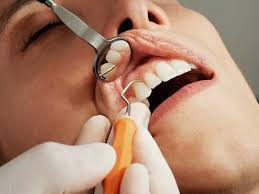
- Professional cleanings to remove plaque and tartar
- Regular exams to spot decay and gum disease early
- X-rays, when needed to see between teeth and under fillings
- Fluoride treatments to harden enamel
- Sealants on back teeth for children and some adults
- Night guards for teeth grinding
- Coaching on brushing, flossing, and healthy food choices
The Centers for Disease Control and Prevention reports that cavities remain common in children and adults. Early care cuts that burden. It also lowers the risk of painful infections.
Why cosmetic work on unhealthy teeth backfires
Cosmetic treatment can look sharp at first. If the disease hides underneath, problems often show fast.
- Whitening on teeth with decay can trigger sharp pain
- Veneers on weak teeth can chip or fall off
- Aligners on a mouth with gum disease can speed bone loss
Each of these can lead to emergency care. They can also mean you pay twice for the same tooth. Once for rushed cosmetic work. Again for repair and replacement.
Comparison of preventive and cosmetic care
| Type of care | Main purpose | Typical timing | Effect on long term cost | Common examples |
|---|---|---|---|---|
| Preventive dentistry | Keep teeth and gums healthy | Ongoing. Every 6 to 12 months | Reduces big, sudden bills | Cleanings, exams, sealants, fluoride |
| Cosmetic procedures | Improve how teeth look | After disease is treated | Can raise costs if done on unhealthy teeth | Whitening, veneers, bonding, aligners |
How preventive care protects your cosmetic investment
Cosmetic care is an investment. You spend time and money. You also spend trust. You want that work to last.
Routine checkups and cleanings help by
- Removing plaque that stains whitening and roughens veneers
- Finding tiny chips in bonding before they grow
- Checking your bite so crowns and aligners stay balanced
The National Institute of Dental and Craniofacial Research explains that tooth decay starts with plaque and sugar. That process attacks natural enamel and dental work alike. Regular cleanings slow that damage.
What a visit looks like when you start with prevention
You may feel nervous. That feeling is common. A clear plan can ease it.
- First visit. You share your goals. You also share your medical history. The dentist checks your teeth, gums, and bite. X-rays may be taken.
- Treatment planning. You learn what needs care first. This may include fillings, deep cleanings, or repair of broken teeth.
- Stabilizing your mouth. You complete the needed preventive and basic repair work. Pain and infection calm.
- Cosmetic consult. You talk about whitening, veneers, bonding, or aligners. Now your mouth can handle these options.
- Maintenance. You return for cleanings and exams. You protect both your health and your new smile.
Special concerns for children and older adults
Children and older adults face a higher risk when cosmetic work comes first.
For children
- Baby teeth guide adult teeth into place
- Untreated cavities can affect speech and eating
- Sealants and fluoride prevent deep decay before braces or aligners
For older adults
- Dry mouth from medicines raises cavity risk
- Gum recession exposes root surfaces
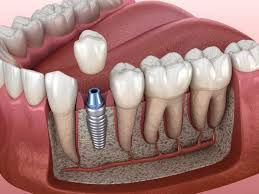
- Crowns, bridges, or implants need strong bone support
In both groups, early cleanings and exams protect comfort. They also protect any cosmetic work that may follow.
How to put prevention first in your own life
You can act today. You do not need big changes. You need steady ones.
- Schedule a checkup and cleaning twice a year
- Brush with fluoride toothpaste two times a day
- Floss once a day to clean between teeth
- Limit sugary drinks and snacks
- Wear a mouthguard for sports
- Ask about grinding if you wake with sore jaws or chipped teeth
When you feel tempted to skip a cleaning and save for cosmetic care, remember the cost of a single dental emergency. One night of severe tooth pain can wipe out that planned budget.
read more : Why Preventive Care Matters In General Dentistry
Bottom line
Cosmetic dentistry can boost your confidence. It should never hide a disease. When you start with preventive care, you choose a safer path. You avoid rushed fixes. You stretch every dollar. You gain a smile that looks strong because it is strong.
Put health first. Then choose the cosmetic steps that match your needs and your values. That order gives you teeth you can count on every day.