NFT Basics Everyone Should Understand
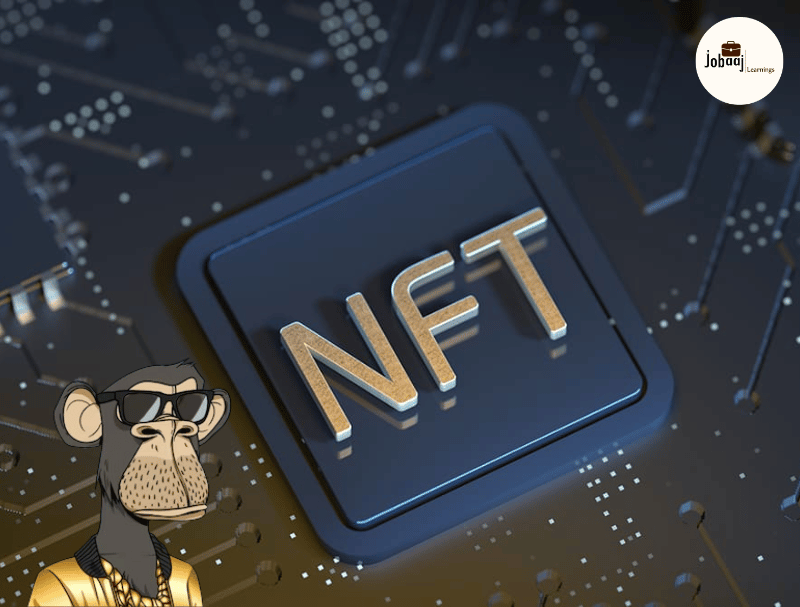
Non-fungible tokens, also known as NFTs, became popular because they introduced a new way to own digital items. People can use NFTs to represent artwork, music, videos, game items, tickets, and many other digital assets. Although the idea may sound technical, the basic concept is easy to understand.
An NFT acts like a digital ownership certificate. It proves that a specific digital item belongs to a certain person or wallet. The information is stored on a blockchain, which helps make the ownership record clear and difficult to change.
What Does NFT Mean?
NFT stands for non-fungible token. The word “fungible” describes something that can be exchanged for another identical item.
For example, one dollar can be exchanged for another dollar because both have the same value. Bitcoin is also fungible because one Bitcoin has the same basic value as another Bitcoin.
An NFT is different because each token can have its own identity, value, and features. A digital artwork NFT may be completely different from another artwork NFT, even when both appear in the same collection.
Explore our Dog PFP Collection featuring a variety of adorable, funny, stylish, and heartwarming profile pictures of dogs. Whether you love playful puppies, fluffy breeds, cute expressions, or aesthetic dog photography, this collection offers plenty of options to make your profile stand out. From simple and natural photos to creative edits and cartoon-style designs, you can find a Dog PFP that perfectly matches your personality and online style.
How Do NFTs Work?
NFTs usually operate on a blockchain. A blockchain is a digital system that records transactions across many computers. This system creates a public record of ownership and transfers.
When someone creates an NFT, the process is called minting. Minting turns a digital file or item into a token stored on a blockchain.
The NFT may include details such as:
- The name of the item
- The creator’s wallet address
- The current owner
- The token number
- A link to the digital file
- Special features or traits
- The history of past sales
When an NFT changes ownership, the blockchain records the transaction. This allows people to check who currently owns the token.
What Can Become an NFT?
Many types of digital and physical assets can connect with NFTs. Digital art is one of the most common examples, but NFTs are not limited to images.
Creators may produce NFTs for music, short videos, virtual clothing, game characters, digital land, event passes, membership cards, and collectible items.
Some social media users also buy avatar NFTs. These images may include animals, cartoon characters, robots, or fantasy designs. For example, cute pet profile pictures can become part of an NFT collection when each image has its own token number and unique traits.
An artist may create hundreds of pet avatars with different backgrounds, hats, colors, glasses, and facial expressions. Buyers may use these images as social media profile photos or collect them as digital items.
What Makes an NFT Valuable?
NFT prices can vary greatly. Some sell for small amounts, while others sell for very high prices. However, a high listed price does not always mean that an NFT has real demand.
Several factors may affect NFT value. Rarity is often important. An NFT with rare traits may attract more buyers than a common item from the same collection.
The reputation of the creator can also matter. Artwork created by a well-known artist may receive more attention. Community support, usefulness, ownership benefits, and market demand can also influence value.
Some NFTs provide access to online groups, games, events, discounts, or future digital products. These benefits may give the token more practical value.
What Is an NFT Collection?
An NFT collection is a group of related tokens released under one project. Each NFT may share a similar theme while having different traits.
For example, a collection may contain 5,000 cartoon animals. Every animal may have a different combination of clothing, backgrounds, eyes, hats, and colors.
Collections often use rarity systems. Common traits appear in many tokens, while rare traits appear in only a few. Buyers sometimes compare these traits before deciding which NFT to purchase.
However, rarity alone does not guarantee future value. A collection still needs interest, active development, and strong demand.
Where Do People Buy NFTs?
People usually buy and sell NFTs through online marketplaces. These platforms allow users to connect a cryptocurrency wallet, view collections, place offers, and complete transactions.
Most NFT marketplaces require cryptocurrency. The exact currency depends on the blockchain used by the NFT.
Before buying, users should confirm that they are viewing the official collection. Fake pages and copied artwork can appear on marketplaces or social media. Buyers should check verified accounts, contract details, project websites, and creator information.
What Is a Crypto Wallet?
A crypto wallet helps users store digital assets and connect with blockchain applications. The wallet does not work exactly like a normal bank account. Instead, it manages the digital keys that allow users to access their cryptocurrency and NFTs.
A public wallet address can be shared with others. It works like an account number for receiving assets.
A private key or recovery phrase must remain secret. Anyone who gains access to this information may control the wallet and its assets.
Users should never share their recovery phrase through email, messages, websites, or social media.
What Are Gas Fees?
Gas fees are transaction charges paid to blockchain networks. Users may pay these fees when minting, buying, selling, or transferring an NFT.
The fee can change depending on network activity. When many people use the network at the same time, gas fees may rise.
Some blockchains offer lower transaction fees than others. Buyers should check the full cost before confirming a purchase because the gas fee may be separate from the NFT price.
What Does NFT Ownership Include?
Buying an NFT usually gives ownership of the token, but it may not provide full copyright ownership of the artwork.
Copyright rules depend on the terms created by the artist or project. Some creators allow owners to use the artwork commercially. Others only provide personal use rights.
Buyers should read the licence terms before using NFT artwork on products, advertisements, websites, or business materials.
Owning the token and owning the copyright are often two separate things.
Common Risks of NFTs
NFTs come with several risks. Prices can rise or fall quickly. A token that seems popular today may lose most of its value later.
Scams are another major concern. Fake giveaways, copied collections, suspicious links, and dishonest project teams may target buyers.
Some NFT projects also stop operating after collecting money. This can leave buyers with tokens that have little value or usefulness.
Users should research the project, creator, community, blockchain, and ownership terms. They should also avoid investing money they cannot afford to lose.
READ MORE : What Businesses Consistently Underestimate About the Complexity of Participating in Large Events
Are NFTs Only Used for Art?
NFTs are widely known for digital art, but the technology can support many other uses.
Businesses may use NFTs for digital tickets, memberships, loyalty programs, product records, gaming items, and event access.
Game developers may create NFT-based weapons, costumes, land, or characters. Musicians may sell limited digital releases. Event organizers may use NFTs as entry passes.
The technology continues to develop, but not every project needs an NFT. Its usefulness depends on whether blockchain ownership solves a real problem.
Final Thoughts
NFTs are unique digital tokens that can represent ownership of artwork, music, game items, avatars, memberships, and other assets. They use blockchain technology to record ownership and transaction history.
Understanding wallets, gas fees, copyright rules, marketplaces, and security risks is important before buying an NFT. Beginners should take time to research projects and avoid making decisions based only on hype.
NFT technology offers creative opportunities, but it also carries financial and security risks. Learning the basic facts can help users explore the NFT space with greater care and confidence.