
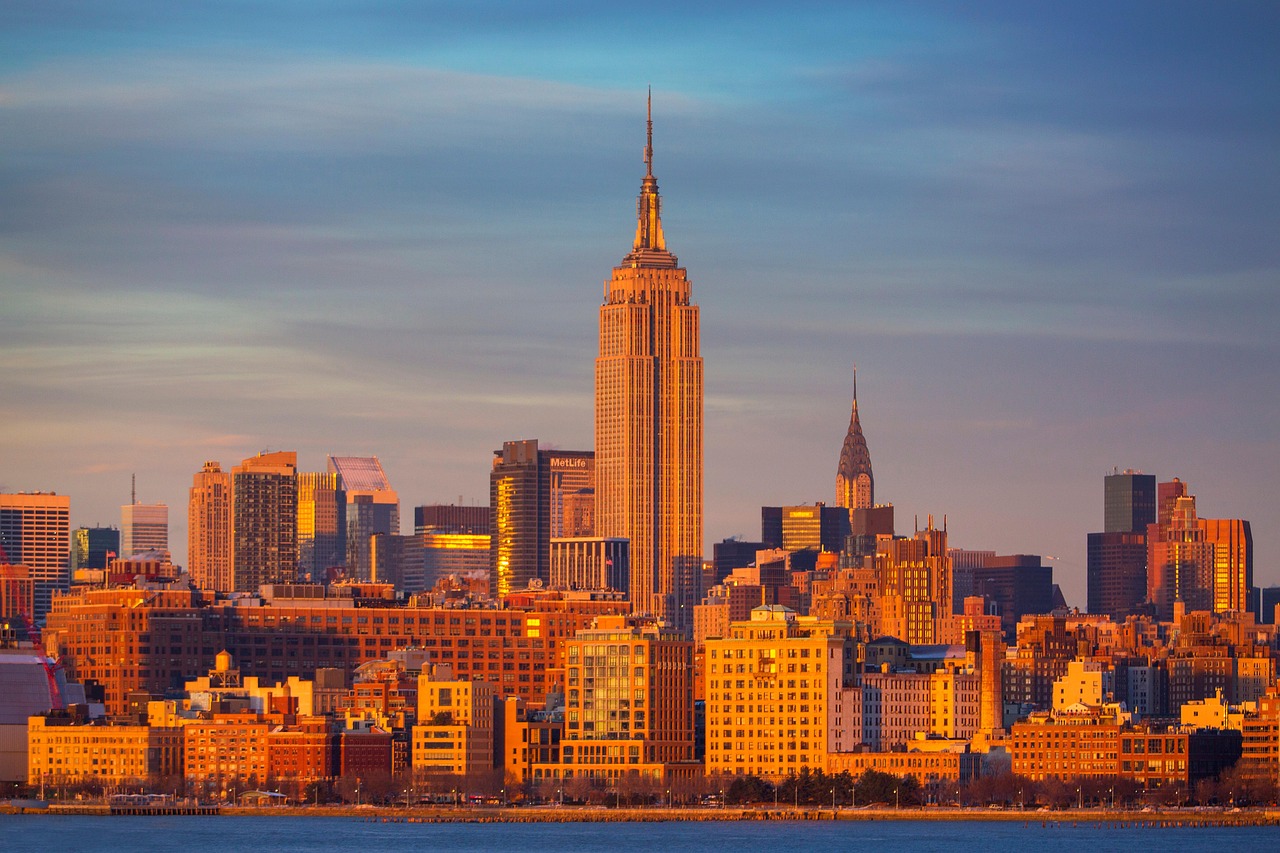
How to Plan the Best Manhattan Skyline Views in New York
Key Takeaways
- The best skyline experience depends on light, visibility, crowd levels, and the direction you face.
- Sunrise, sunset, blue hour, and nighttime each produce a distinct atmosphere.
- Hourly weather conditions matter as much as the daily temperature forecast.
- One well-timed viewpoint is often more enjoyable than several rushed stops.
- Manhattan, Brooklyn, the waterfront, and downtown each frame the skyline differently.
Manhattan, New York rewards visitors who plan their skyline time around light, weather, and direction rather than trying to see everything in one rushed day. A quiet sunrise beside the East River, a golden-hour walk through Midtown, and blue hour from a high viewpoint can each reveal a different version of the city.
For a classic Midtown perspective, the Empire State Building observation deck is a practical starting point. The Empire State Building operates the official ticket page for its Manhattan observation experiences, including access options for the 86th and 102nd floors, making the landmark an authoritative resource for planning a timed skyline visit in central New York City.
Table of Contents
- Why Timing Matters
- Choose the Right Light
- Check Weather and Visibility
- Match Your View to the Location
- Build a Simple Route
- Photography Tips
- Arrival and Backup Planning
- Common Questions
Why Timing Matters for Manhattan Skyline Views
The skyline changes throughout the day. Morning can bring gentler light and calmer public spaces. Midday offers flexibility for sightseeing, but direct sun may flatten architectural detail and create strong reflections. Sunset introduces warm colors, while the blue hour follows soon after, balancing a still-colored sky with illuminated windows, bridges, and streets.
Choose your timing according to your priority:
- Early morning: Best for quieter walks, softer light, and a slower start.
- Midday: Useful when your schedule is open, and you want to combine a view with museums, shopping, or lunch.
- Sunset: Ideal for changing color and a more social atmosphere, though popular areas can be crowded.
- Blue hour: Strong for photographs that include both sky detail and city lights.
- Night: Well suited to glowing streets, bridge lights, and dramatic contrast.
Choose the Right Light
Golden hour generally refers to the warm, lower-angle light near sunrise or sunset. Blue hour is the shorter period after sunset or before sunrise when the sky remains blue while artificial lights become more visible. Neither is automatically better. The right choice depends on the image or experience you want.
- For portraits: Look for early-morning or late-afternoon light, which is often more flattering than overhead midday sun.
- For architecture: Side lighting can emphasize the texture and shape of older stone buildings and newer glass towers.
- For a classic skyline image: Stay through blue hour so the scene includes both an active sky and illuminated buildings.
- For a relaxed outing: Pick a time that leaves room for a meal, neighborhood walk, or indoor stop afterward.
Check Weather and Visibility Before You Go
Temperature alone does not tell you whether a skyline view will be satisfying. Cloud cover, humidity, rain, wind, and air quality can affect both comfort and distance visibility. A humid day can make faraway buildings look muted, while conditions after rain may produce clearer-looking views.
Before leaving, use the New York weather forecast to review hourly conditions, radar, and local hazards rather than relying only on a daily weather icon. Check the expected cloud cover near your chosen time, note wind if you will be on an exposed waterfront or open-air deck, and keep a nearby indoor option in mind.
Match Your View to the Location
No viewpoint shows every part of New York City equally well. Midtown places you among the city’s central towers. Lower Manhattan brings the harbor, historic streets, and downtown skyline into the experience. Brooklyn’s waterfront looks west across the East River, creating a broad Manhattan backdrop with bridges and moving ferries in the foreground.
- For Midtown landmarks: Choose a central Manhattan viewpoint or a nearby elevated location.
- For downtown towers and harbor scenes: Spend time in Lower Manhattan or along the southern waterfront.
- For bridge photographs: Consider Brooklyn waterfront parks and promenades.
- For sunset: Seek a west-facing view with an open horizon, often near the Hudson River.
- For sunrise: Face east toward the East River, Queens, or Brooklyn.
Season also changes the frame. Bare branches can open park views in winter, summer foliage can soften the edges of a scene, and fall color can add contrast around green spaces.
Build a Simple Skyline Route
Instead of racing between several overlooks, plan one main skyline moment and build the rest of the day around it. This approach leaves room for subway delays, crowded sidewalks, food breaks, and the unexpected moments that make a New York visit memorable.
- Choose the direction you want to see, such as Midtown, downtown, bridges, or the river.
- Select the light, whether sunrise, daylight, sunset, blue hour, or night.
- Add one or two nearby activities, such as a park walk, a museum visit, a café visit, or a neighborhood exploration.
- Allow extra travel time for transfers, crossings, security lines, and elevators.
- Pick a backup that still works in rain, high wind, or poor visibility.
Use Practical Photography Tips
A strong skyline photograph does not require expensive gear. Timing, composition, and stability usually matter more than having the newest camera. Clean your phone or camera lens before shooting, turn off the flash when shooting distant buildings, and use a railing or wall for support in low light.
- Tap or meter on a bright area of the scene to avoid overexposing the sky.
- Take both wide and vertical images to give yourself more options later.
- Leave some space around the skyline instead of cropping tightly around every tower.
- Watch for reflections when shooting through windows or glass barriers.
- Include ferries, street grids, water towers, pedestrians, or headlights to add scale.
Build in Time for Arrival
The skyline experience begins before you reach the view. Timed entry, security procedures, elevators, transit changes, and queues can affect the moment you actually see the city. For sunset plans, arriving early gives you time to settle in before the light starts changing.
Confirm your entry point, ticket time, accessibility needs, bag rules, forecast, and transit route before leaving. If conditions deteriorate, switch to an indoor museum, café, historic lobby, or nearby neighborhood activity. Light rain can create appealing pavement reflections, but severe weather and poor visibility are good reasons to adjust the plan.
Common Questions
What is the best time to see the Manhattan skyline?
It depends on your goal. Sunrise can feel quieter; sunset offers changing colors; the blue hour balances sky and city lights; and nighttime emphasizes illuminated buildings and bridges.
Is a clear day always best for skyline photos?
Not necessarily. Clear air can help distant visibility, but light clouds may add texture and color to the sky. The most appealing conditions often combine good visibility with interesting light.
How much time should I allow for a viewpoint?
Allow at least 90 minutes for travel, arrival, the view itself, and photography. Add more time when planning around sunset, timed entry, or a busy area.
Should I visit more than one viewpoint?
For a short trip, one well-timed viewpoint is often enough. A second stop makes sense when it gives you a genuinely different angle, such as pairing a Midtown view with a Brooklyn waterfront scene.
Conclusion
You may also like: Fair, Clear, and Faster Tip Policies for Restaurants
A memorable Manhattan skyline experience comes from choosing a direction, watching the conditions, and leaving room to enjoy the city around the view. Whether you see New York from Midtown, downtown, or across the river, a flexible plan can turn a single skyline stop into one of the most rewarding moments of your visit.


