How Animal Hospitals Provide Safe Anesthesia And Monitoring
When your pet needs surgery, you feel fear first. You picture the anesthesia. You wonder if your pet will wake up. You worry about pain, breathing, and heart problems. You question every choice. In that moment, you need clear facts, not soft promises. You need to know how a Kenosha animal hospital keeps your pet safe every second under anesthesia. You deserve to see the steps behind the closed door. This guide explains how animal hospitals plan anesthesia, place monitors, and respond fast when something changes. It shows who watches your pet, what tools they use, and how they lower risk before, during, and after surgery. It also explains what you can ask before signing any consent form. When you understand these steps, you gain something steady. You gain the power to speak up for your pet.
1. Why anesthesia feels scary but is carefully controlled
Anesthesia always carries some risk. You deserve to hear that truth. Yet modern methods are far safer than many people think. Pets get lighter anesthesia than in the past. They also get closer to watching.
The American College of Veterinary Anesthesia and Analgesia explains that proper planning and monitoring lower risk for most pets. You can read more on their site through the ACVAA pet owner resources. This information shows that most healthy dogs and cats do well with planned anesthesia.
You still play a strong role. Your honest answers, your choices, and your watchful eye after surgery all help keep your pet safe.
2. How the team checks your pet before anesthesia
Safe anesthesia starts long before your pet reaches the surgery room. The team gathers facts and checks three main things.
- Your pet’s story. Age, breed, past illness, medicine use, and past reactions to drugs.
- Physical exam. Heart, lungs, weight, temperature, and body condition.
- Testing. Blood work, sometimes urine tests, and in some cases, X-rays or heart scans.
The veterinarian then places your pet into a risk group. This system is similar to the American Society of Anesthesiologists scale used in human medicine. You can see that scale on the ASA physical status page. A higher group means a higher risk. It does not mean anesthesia is impossible. It means the team plans more support.
3. Fasting, fluids, and pre-visit steps you control
Your choices at home affect safety in the hospital. You can support your pet in three direct ways.
- Follow fasting rules. Food in the stomach raises the risk of vomiting and choking under anesthesia.
- Give only approved medicine. Some drugs affect blood pressure or clotting.
- Share new changes. Cough, vomiting, diarrhea, or low energy on the morning of surgery all matter.
The team may also start fluids through a vein before anesthesia. This supports blood flow and blood pressure during surgery.
4. The anesthesia plan and what it includes
The veterinarian builds a written plan. This plan guides every step. It usually covers three parts.
- Pre-medication to calm your pet and ease pain.
- Induction drugs to bring your pet from awake to asleep.
- Maintenance gas mixed with oxygen to keep your pet asleep during surgery.
The team chooses drugs based on age, weight, organ function, and the type of surgery. A short skin mass removal needs a lighter plan than a long orthopedic surgery. Older pets with kidney or heart disease get different drugs and closer watching.
5. Who watches your pet during anesthesia
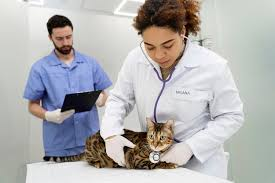
Your pet is never left alone once anesthesia starts. At least two people focus on your pet.
- The veterinarian directs the plan and responds to changes.
- A trained technician or nurse watches monitors and your pet’s body.
Some hospitals have a dedicated anesthesia nurse who does not step away for other work. You can ask if your pet will have one person whose only job is monitoring. That question is fair and strong.
6. What monitors track during surgery
Modern animal hospitals use the same types of monitors used in many human hospitals. These tools show early warning signs so the team can act fast.
| Monitor | What it measures | Why it matters |
|---|---|---|
| Pulse oximeter | Oxygen level in the blood | Shows if your pet gets enough oxygen |
| ECG | Heart rhythm | Shows slow, fast, or uneven beats |
| Blood pressure cuff | Blood pressure | Shows if organs get enough blood flow |
| Capnograph | Carbon dioxide in breath | Shows how well your pet breathes out |
| Temperature probe | Body temperature | Warns of cold or high temperature |
The technician also checks gum color, chest movement, and pulse by touch. Machines support human eyes and hands. They never replace them.
read more : https://bistrover.com/
7. How the team responds when numbers change
Monitors matter only if the team acts on the data. Staff learn to follow simple steps when readings change.
- If oxygen level drops, they check the tube, adjust oxygen, and support breathing.
- If blood pressure falls, they lower the gas level, give fluids, and sometimes give medicine.
- If heart rhythm changes, they check the depth of anesthesia, pain control, and body temperature.
These steps are not guesswork. They follow tested plans and training. Fast action often turns a small issue into a short event instead of a crisis.
8. Warming, pain control, and care after surgery
Many pets get cold during anesthesia. Warm air blankets, warm fluid lines, and covered tables help protect temperature. Warmth supports healing and lowers stress.
Pain control starts before the first cut. The team often uses a mix of drugs. This mix keeps your pet more stable under anesthesia. It also makes waking smoother. You may see your pet rest more and shake less in recovery.
In the recovery room, the team keeps watching heart rate, breathing, and comfort. They remove the breathing tube only when your pet can swallow and protect the airway. Then they watch for bleeding, swelling, or vomiting.
9. Questions you can ask before you sign
You have the right to clear answers. You can bring this list and check each point.
- Who will watch my pet during anesthesia the whole time
- What tests will you run before surgery
- What monitors will you use
- How will you control pain before and after surgery
- How will you keep my pet warm
- What is my pet’s anesthesia risk group and why
- What should I watch for at home tonight
Honest answers build trust. They also show a safety culture inside the hospital.
10. How you can support safe recovery at home
Your job starts again once your pet comes home. You protect recovery in three main ways.
- Follow the feeding and medicine directions step by step.
- Limit running, jumping, and rough play until cleared.
- Watch for warning signs like heavy bleeding, hard breathing, or nonstop crying.
If you see something that feels wrong, call or seek urgent help at once. Early calls prevent larger harm. Your concern is not a bother. It is part of the safety net around your pet.