Tooth Jewelry And Cosmetic Dentistry: What’s Safe And What’s Not
You may want a brighter smile that feels unique. Tooth jewelry and cosmetic dentistry promise a quick change. They also carry real risk. Small gems, grills, and other add‑ons can crack teeth, trap bacteria, and cause gum pain. Simple whitening or bonding can go wrong when done too often or by someone untrained. This blog explains what is safe and what is not. It gives you clear steps before you let anyone touch your teeth. It also shows when you need a trusted Toledo dentist and when you should walk away. You learn which trends only look harmless. You also see which treatments protect your bite, speech, and long-term health. Your mouth is not a place for guesswork. With the right facts, you can choose a style that does not cost you chewing strength, comfort, or money later.
What Tooth Jewelry Really Does To Teeth
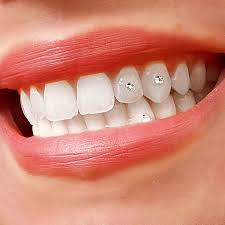
Tooth jewelry includes tiny gems, metal shapes, and full grills. Social media shows fast glue, big smiles, and no problems. Real life is different. Anything stuck on a tooth changes how you clean and chew.
Common problems include:
- Chips or cracks when hard material hits another tooth
- Food and plaque trapped around the glue
- Red, sore gums from rough edges
- Allergic reactions to cheap metals
Unsafe tooth jewelry often uses nail glue or craft glue. That glue can burn gums and weaken enamel. Safe use needs dental-grade bonding and careful cleaning.
Cosmetic Dentistry Options You See Most
You can change your smile in many ways. Some methods protect tooth structure. Others grind away healthy enamel and never reverse.
Common cosmetic choices include:
- Whitening in a dental office or with trays at home
- Bonding with tooth colored resin
- Porcelain veneers over the front of teeth
- Clear aligners or braces to straighten teeth
- Tooth jewelry and grills
The safest options keep most of the natural tooth. Whitening, bonding, and aligners change color and position with less cutting. Veneers and crowns remove more enamel. Tooth jewelry adds hard pieces that can break or trap germs.
Safety Comparison Table
The chart below compares common choices. It can guide your first questions during a visit.
| Treatment | Main Purpose | Tooth Removal | Common Risks | Better For |
|---|---|---|---|---|
| In office whitening | Lighten color | None | Short term sensitivity, gum irritation | Stains from food, age, or smoking |
| At home custom tray whitening | Lighten color | None | Sensitivity if used too often | Slow, steady color change with dentist checks |
| Over the counter whitening strips | Lighten color | None | Uneven results, overuse, gum burn | Mild stains on healthy teeth |
| Bonding | Fix chips, close small gaps | Little or none | Stains, chipping of resin | Small repairs and kids with chips |
| Porcelain veneers | Change shape, color, alignment, look | Moderate | Sensitivity, breakage, decay at edges | Adults with worn, dark, or misshapen teeth |
| Tooth gems | Decoration | None if done right | Cracks, plaque buildup, gum irritation | Short term style with strong hygiene |
| Grills | Decoration | None if removable | Cavities, bad breath, gum disease if worn long | Short wear with strict cleaning |
Tooth Jewelry: Safer Choices And Red Flags
Some people will still choose a gem or grill. You can lower harm if you follow strict rules.
Safer steps:
- Use a licensed dentist for any glued gem
- Ask for dental bonding material, not craft glue
- Place gems on smooth front teeth, not biting edges
- Limit use to a short time and plan for removal
- Clean around the gem with a small brush and floss
Clear warning signs:
- Services in homes, salons, or parties
- Use of super glue or nail glue
- Grinding the tooth to “make it stick”
- Pressure to add many gems at once
Removable grills should fit loosely and come out during eating and sleeping. You should clean both the grill and your teeth each time.
read more : https://bistrover.com/
What Science Says About Whitening Safety
Whitening works by letting a gel pass into the enamel and break up stains. The process is safe when a dentist checks your teeth first. Overuse strips minerals and raises sensitivity.
The National Institute of Dental and Craniofacial Research explains how enamel protects against decay. Strong enamel matters more than a bright shade. You protect it when you:
- Whiten only healthy teeth
- Follow timing on trays or strips
- Pause if you feel sharp zaps of pain
You should never whiten on untreated cavities, gum disease, or exposed roots. Bleach on damaged teeth can cause deep pain and nerve damage.
Kids, Teens, and Social Media Trends
Children and teens face strong pressure to copy trends. Some videos show people gluing gems or shaving teeth at home. That can cause damage that lasts for life.
You can help by:
- Explaining that enamel does not grow back
- Setting clear rules about no home dental hacks
- Offering safe choices like pro cleaning or simple whitening when age allows
The Centers for Disease Control and Prevention notes that cavities are common in kids. Any jewelry that traps sugar and plaque raises that risk even more.
Questions To Ask Before Any Cosmetic Work
Before you agree to a procedure, ask three direct questions.
- How many natural teeth will you remove?
- How long will the result last, and what care will it need? d
- What are all the risks if something goes wrong
You should also ask for photos of past cases and clear cost estimates. Honest answers build trust. Vague answers and rush tactics signal danger.
When You Need A Dentist Right Away
Seek care fast if you notice:
- Sudden sharp pain when you bite
- Swollen or bleeding gums near jewelry
- Loose teeth or a crack you can feel with your tongue
- Bad taste or smell that does not go away
Quick care can save a tooth that might otherwise need a root canal or removal.
Choosing Style Without Sacrificing Health
You deserve a smile that feels good and looks right for you. Cosmetic care and tooth jewelry can fit that goal when guided by science and caution. The safest path respects three rules. Keep as many natural teeth as possible. Use trained dental staff. Clean with care every single day.
With those rules, you can enjoy choice and still protect your bite, speech, and comfort for years.