The Connection Between Veterinary Clinics And Public Health
You might not see it at first. Your local clinic shapes the health of your whole community. Every exam room, every vaccine, every lab test helps protect you and your family from sickness that starts in animals and spreads to people. That is the quiet power of veterinary care. A Princeton vet checks a coughing dog and stops an outbreak before it reaches your child’s school. Another clinic reports a strange infection and alerts health officials. Together they form a shield. You feel that shield when food is safe, when parks stay open, and when mosquitoes do not bring fear. You also feel it when disaster strikes and teams move in to protect both pets and people. This connection is strong. When you support veterinary clinics, you support public health.
Why Animal Health Protects Human Health
You share your home, parks, and food with animals. You also share germs. Many human diseases start in animals. These are called zoonotic diseases. Rabies, salmonella, and some flu strains move from animals to people. You touch pets, clean litter boxes, visit farms, and eat meat, eggs, and dairy. Each contact is a risk or a shield.
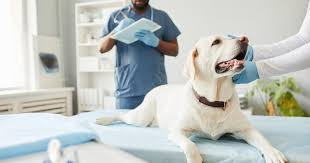
Veterinary clinics turn that risk into protection. You bring a sick pet in. The team listens, checks, and tests. Then they treat your animal and stop the spread. They also report some infections to public health staff. That early warning keeps small problems from turning into large ones.
Three Main Ways Clinics Guard Public Health
Veterinary clinics protect you in three clear ways.
- They prevent disease through vaccines and parasite control.
- They keep food from animals safe to eat.
- They act as an early alarm for new or rare diseases.
You may see only a quick visit for shots. Yet every shot and test fits into a public system that keeps hospitals, schools, and homes safer.
Vaccines, Parasites, And Everyday Safety
Routine care at a clinic does more than keep your pet comfortable. It blocks germs that can reach you. Rabies is a clear example. It almost always kills. You avoid it when dogs, cats, and other animals get regular rabies shots.
The Centers for Disease Control and Prevention explains that pet vaccination is one of the strongest tools against rabies in people. You might think it is rare. It is rare because clinics work hard every day to keep it that way.
Parasites tell the same story. Fleas, ticks, and some worms affect people. Heartworm spreads through mosquitoes. Routine prevention stops that spread. You leave the clinic with a small box of pills or a topical treatment. You also leave with less risk for your family.
Safe Food From Healthy Animals
You depend on animals for meat, milk, and eggs. You trust that these foods will not cause sickness. That trust rests on the quiet work of veterinarians in farms, processing plants, and labs.
They check herds and flocks. They track drug use in animals. They test for bacteria like Salmonella and E. coli. They advise farmers on clean housing and safe feed. Then they work with inspectors who watch slaughter and packing plants.
The United States Department of Agriculture explains this connection through its food safety programs. You may never see these steps. You still benefit each time you cook dinner without fear.
Clinics As Early Warning Systems
When something new starts to spread, clinics often notice first. A vet sees a strange cough in several dogs. Another sees a sudden spike in vomiting in cats. A third sends lab samples that do not match common infections. These clues matter.
Many states require vets to report certain diseases. Public health teams then map cases, search for links, and share alerts with hospitals and local leaders. That fast response can stop a new threat before it reaches large groups of people.
How Veterinary Clinics Support Community Strength
Healthy pets and livestock do more than prevent germs. They also support mental health and economic stability. When pets stay healthy, families feel calmer. Children learn care, respect, and patience. When livestock stay healthy, farms stay open, and food prices stay steady.
During storms, floods, and fires, veterinarians often help plan shelter for pets and livestock. They support search and rescue teams that rely on dogs. They advise on safe return to homes where mold, dead animals, or standing water may hide threats. Your local clinic is part of that emergency network.
Sample Impacts You Might Not Notice
The table below shows a simple comparison between communities with strong veterinary support and those with limited access. The numbers are examples, not local data, yet they show real patterns seen in public health work.
| Community feature | Strong clinic access | Limited clinic access |
|---|---|---|
| Reported pet vaccination rate | Over 80 percent of dogs and cats | Under 50 percent of dogs and cats |
| Dog bite cases needing rabies shots for people | Low, a few cases per year | Higher, many cases per year |
| Foodborne illness from local animal products | Less frequent and easier to trace | More frequent and harder to trace |
| Public health outbreak response time | Fast. Clinics share early reports | Slow. Cases appear first in hospitals |
| Family stress during disasters | Lower. Plans include pets and livestock | Higher. Few safe options for animals |
What You Can Do As A Pet Owner Or Neighbor
You play a part in this shield. You do not need special training. You need steady habits.
- Keep regular visits for your pets. Vaccines and checkups protect your home and your neighbor’s home.
- Use parasite control as your vet suggests. Protect your yard, your children, and nearby homes.
- Wash hands after handling animals, their food, or their waste. Teach children the same habit.
- Report sick wildlife or sudden groups of sick animals to local officials.
- Support local clinics during disasters. Ask how you can prepare to shelter your own animals.
Why This Connection Deserves Your Attention
You may feel pulled in many directions. Health messages come from all sides. It can feel hard to know where to focus. Caring for animals might seem like a small piece. It is not.
When you walk into a veterinary clinic, you are not just a client. You are a partner in public health. Your choices help protect schools, nursing homes, playgrounds, and workplaces. That is quiet work. It is also brave work.
You can start with one step. Schedule the next checkup. Ask one question about disease risks that move between animals and people. Then listen. Each answer you hear helps build a safer community for every person you love.
Top Mistakes SMBs Make in IT Project Management and How to Fix Them