Why Crowns And Veneers Work Best Together In Smile Design
You may think you must choose between crowns or veneers. You rarely do. Dentists often use both together to rebuild a worn smile, protect weak teeth, and still keep a natural look. Crowns cover teeth that are cracked, heavily filled, or broken. Veneers cover teeth that are stained, chipped, or uneven. When used together, they create one steady bite and one even color. That is the heart of smile design. You get strength where you need it and subtle changes where you want them. This same planning guides other care such as Invisalign in Brookline MA. The goal is always the same. Your teeth must look good, feel steady, and work well when you chew and speak. This blog explains when crowns and veneers work alone, when they work together, and how you and your dentist can plan a smile that lasts.
What Crowns Do For Your Teeth
Crowns act like a hard cover for a weak tooth. You need one when a tooth has:
- Large old fillings that keep breaking
- Cracks that hurt when you bite
- Root canal treatment
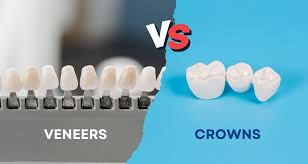
A crown wraps the tooth on all sides. That helps you chew without fear of another break. It also lets your dentist set the height and shape of the tooth. That protects your jaw and your other teeth from strain.
The National Institute of Dental and Craniofacial Research explains how broken teeth and decay affect chewing and comfort.
What Veneers Do For Your Teeth
Veneers change what you see in the mirror. They attach to the front of the teeth that show when you smile. You may choose veneers if you have:
- Stains that do not change with whitening
- Small chips or rough edges
- Gaps or uneven front teeth
Veneers use thin shells of ceramic. Your dentist shapes a small amount of the front of each tooth. Then the veneer bonds to the tooth. You keep most of your own teeth. You gain a new front surface with steady color and shape.
The American Dental Association gives simple facts on veneers at MouthHealthy. You can use that as a quick guide before your visit.
Why Using Both Often Works Best
Many mouths need both strength and change in shape. One tooth may be weak from a root canal. Another tooth next to it may only need a color change. If you only use one type of care, you often must compromise.
When you use crowns and veneers together, your dentist can:
- Place crowns on teeth that must be strong for chewing
- Place veneers on teeth that only need cosmetic change
- Match color and shape across all teeth so the smile looks like one unit
This mix respects the health of each tooth. It also respects your budget and your time. You do not cover more tooth than needed. You still get a steady look.
Crowns vs Veneers vs Both Together
| Question | Crowns | Veneers | Used Together |
|---|---|---|---|
| Main purpose | Protect weak or broken teeth | Improve color and shape | Protect weak teeth and align smile |
| Tooth coverage | Whole tooth above the gum | Front surface only | Each tooth gets what it needs |
| Best for | Cracks, large fillings, root canals | Stains, chips, small gaps | Mixed damage and cosmetic needs |
| Impact on chewing | High impact on strength | Low impact on strength | Balanced strength across the bite |
| Change in tooth shape | Can change height and width | Refines front shape | Full control over each tooth |
How Your Dentist Plans A Combined Smile
Planning matters more than any single material. A strong plan often follows three steps.
Step 1: Honest Talk And Photos
You start with your concerns. You may want to close gaps, fix dark teeth, or even out worn edges. Your dentist will:
- Check each tooth for cracks, decay, and gum health
- Take photos and x rays
- Judge which teeth must carry the main chewing force
Step 2: Map Out Each Tooth
Next, your dentist maps each tooth. The plan might look like this.
- Back molars that are cracked get crowns
- Front teeth with sturdy structure get veneers
- One or two key teeth may get crowns to set the bite height
This map guides the lab that makes the crowns and veneers. It also guides how many visits you need.
read more : How to Pick the Right SASE Partner
Step 3: Test The New Shape
Before the final work, many dentists use temporary crowns and veneers. These test pieces let you:
- Try the new length of your teeth
- Check your speech
- See the basic shape in daily life
You can ask for small changes at this stage. Once you and your dentist agree, the lab makes the final versions.
How Crowns And Veneers Affect Daily Life
You may worry that many crowns and veneers will feel fake. With a careful plan, they should feel like your own teeth. You still need daily care. You will need to:
- Brush with fluoride toothpaste two times a day
- Clean between your teeth with floss or brushes
- Wear a night guard if you grind your teeth
The Centers for Disease Control and Prevention stresses the link between home care and long-term tooth health.
When To Ask About Crowns And Veneers Together
You should raise this option if you:
- Have both broken teeth and cosmetic worries
- Have old crowns that no longer match your other teeth
- Plan other care such as braces or clear aligners
A strong smile design often comes from mixing tools, not from one single fix. When crowns and veneers work together, they protect your teeth, calm your bite, and give you a smile that feels honest and strong.