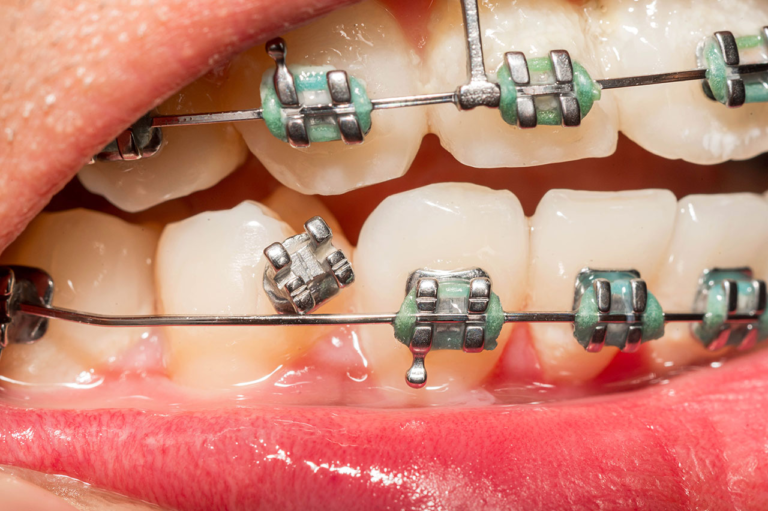

5 Cosmetic Dental Treatments That General Dentists Commonly Provide Families
A healthy smile affects how you feel every day. It shapes how you speak, eat, and greet people you love. Many families look for simple ways to improve their teeth without seeing multiple specialists. A trusted Lansdale dentist can give your family both routine care and cosmetic care in one place. This support can fix chips, stains, gaps, and worn teeth that cause quite a bit of stress. It can also prevent small issues from growing into painful problems. In this blog, you will see five common cosmetic treatments that general dentists provide for children, teens, and adults. Each option focuses on comfort, safety, and long-term strength. You will learn what each treatment does, how it works, and when it helps most. You can then talk with your dentist and choose what fits your health, budget, and schedule.
1. Professional Teeth Whitening
Surface stains build up from coffee, tea, tobacco, and some medicines. Home products may not touch deeper stains. Office whitening uses stronger products under close care.
You sit in the chair. Your dentist protects your gums. A whitening gel goes on your teeth. A light may speed the change. You leave the visit with brighter teeth. Many people see a change in about one hour.
At home trays from your dentist use custom molds. You wear them for short periods for several days. Change is slower but steady.
- Helps yellow or brown stains
- Works for teens and adults
- Does not change fillings or crowns
You can read more about tooth stains and whitening on the American Dental Association MouthHealthy page.
2. Tooth Bonding
Bonding uses tooth colored resin to repair small flaws. Your dentist shapes the resin so it blends with your tooth.
This treatment helps when you have:
- Small chips
- Short or worn edges
- Minor gaps
- White spots or marks
Your dentist roughens the tooth surface. Then a gentle liquid helps the resin stick. The soft resin goes on the tooth. It is shaped and hardened with a light. The tooth is then smoothed and shone.
Bonding often needs no numbing. It usually costs less than veneers or crowns. It may stain over time. Care with brushing and fewer dark drinks helps it last longer.
3. Porcelain Veneers
Veneers are thin shells that cover the front of teeth. They change color, shape, and length. Many people choose veneers when they want a big change in their smile.
Veneers can help when you have:
- Deep stains that whitening cannot change
- Uneven or crooked front teeth
- Worn or flat teeth
- Gaps between teeth
First, your dentist gently trims a thin layer from the front of each tooth. Then an impression goes to a lab. You may wear temporary covers. At the next visit, your dentist places the veneers with strong cement. A light hardens the bond.
With good care, veneers can last many years. You still need cleanings and checkups. You also need a night guard if you grind your teeth.
4. Tooth Colored Fillings
Old metal fillings can darken your smile. Tooth colored fillings use resin that matches your teeth. They repair decay and also improve appearance.
Your dentist removes the decay. The space is cleaned. Then, tooth colored material goes in layers. A light hardens each layer. The filling is shaped so your bite feels even.
Tooth colored fillings help:
- Repair new cavities
- Replace some old metal fillings
- Blend repairs into front teeth
The National Institute of Dental and Craniofacial Research explains how treating decay early protects tooth strength. Early repair can also protect your smile from larger changes later.
5. Clear Aligners and Short-Term Orthodontic Care
Many general dentists now offer clear aligners. These thin trays move teeth over time. They are almost invisible and you can remove them to eat and brush.
Clear aligners help:
- Crowded teeth
- Small gaps
- Mild bite problems
Your dentist takes digital scans or molds. A series of trays is made. You wear each set for most of the day. Every few weeks, you switch to the next set. Your dentist checks progress at short visits.
Aligners work best for mild to moderate changes. Children still growing may need other options. Your dentist may refer you to an orthodontist for complex cases.
Comparison of Common Cosmetic Dental Treatments
| Treatment | Main Purpose | Best For | Typical Time | Relative Cost |
|---|---|---|---|---|
| Professional Whitening | Lighten tooth color | Stains and yellow teeth | One visit or a few weeks at home | Lower |
| Tooth Bonding | Fix chips and small gaps | Minor damage on front teeth | One visit per tooth | Lower to medium |
| Porcelain Veneers | Change shape and color | Multiple front teeth with flaws | Two or three visits | Higher |
| Tooth Colored Fillings | Treat decay with natural look | New or old cavities | One visit | Lower to medium |
| Clear Aligners | Straighten teeth | Mild crowding or spacing | Several months or longer | Higher |
How to Choose the Right Option for Your Family
Three steps help you choose.
First, set clear goals. Decide if you want whiter teeth, smoother edges, fewer gaps, or straighter teeth. Write down your main concern.
Second, share your health history. Tell your dentist about grinding, dry mouth, gum disease, or past dental fear. These facts guide safe choices.
Third, ask three key questions at your visit.
- How long will this result last
- What care will it need at home
- What other options could work
You deserve clear facts. You also deserve time to think. A calm talk with your dentist can turn quiet worry into a clear plan. A steady plan protects your teeth and supports your confidence at work, at school, and at home.
How Family Dentistry Encourages Teamwork Between Parents And Kids