
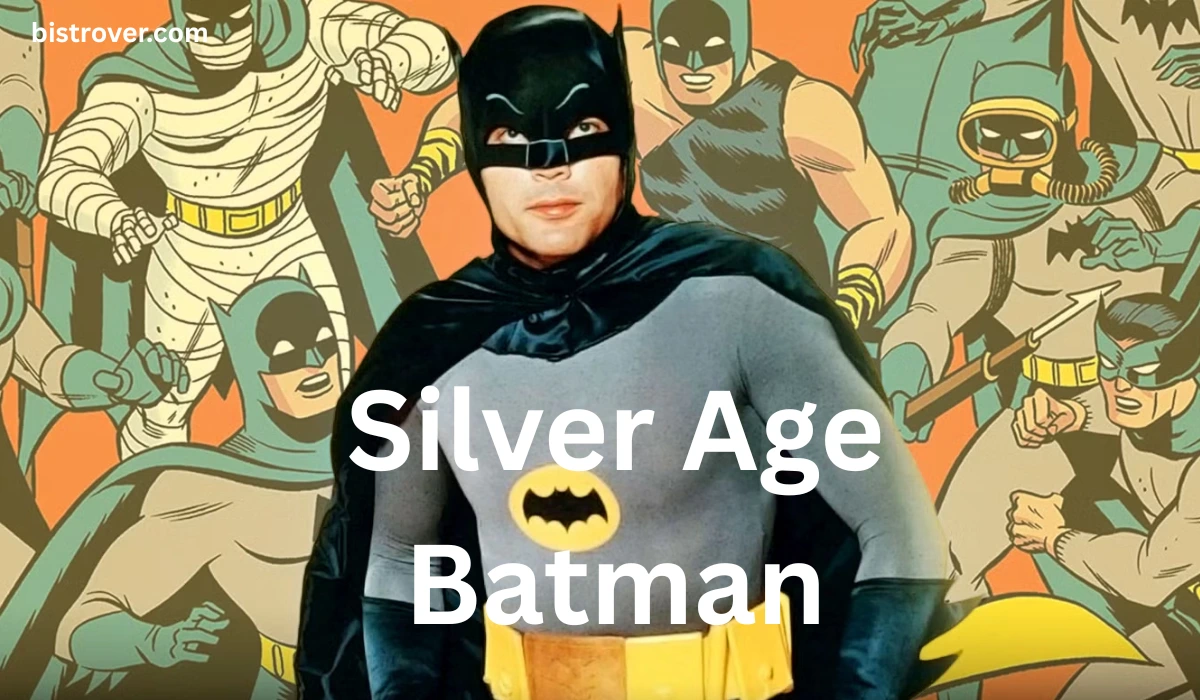
Silver Age Batman: History, Origin, Family, Comics, and 2026 Facts
Silver Age Batman represents one of the most colorful and creative periods in DC Comics history. This version of Batman became famous for exciting mysteries, unusual villains, and clever gadgets. His adventures helped shape the superhero that millions of fans recognize today.
The Silver Age of Comics generally lasted from 1956 to 1970. During this period, Batman moved away from darker crime stories and embraced science fiction. Readers enjoyed his adventures with Robin, Batwoman, and other familiar characters.
Who Is Silver Age Batman?
Silver Age Batman is the version of Bruce Wayne featured during the Silver Age of American comic books. He protects Gotham City using intelligence, detective skills, advanced technology, and physical strength.
Unlike modern Batman, this character often faced aliens, strange inventions, and unusual transformations. His stories focused on adventure, teamwork, and creative problem-solving rather than violence.
Batman first appeared in Detective Comics #27 in 1939. Artist Bob Kane and writer Bill Finger created the character before the Silver Age began.
| Detail | Information |
|---|---|
| Full name | Bruce Wayne |
| Superhero name | Batman |
| Publisher | DC Comics |
| Original debut | Detective Comics #27 (1939) |
| Silver Age period | 1956–1970 |
| Creators | Bob Kane and Bill Finger |
| Home | Gotham City |
| Occupation | Businessman and superhero |
| Main partner | Robin |
| Father | Thomas Wayne |
| Mother | Martha Wayne |
| Love interests | Include Kathy Kane and Selina Kyle in different stories |
| Superpowers | None |
| Main abilities | Detective skills, martial arts, intelligence |
| Costume | Blue and gray, with later yellow oval emblem |
| Main vehicle | Batmobile |
Silver Age Batman Early Life and Childhood
Bruce Wayne grew up in a wealthy family in Gotham City. His parents, Thomas and Martha Wayne, provided him with a comfortable childhood. However, their tragic deaths changed his life forever.
A criminal killed Bruce’s parents during a robbery. This event inspired him to fight crime and protect innocent people. He later chose the bat as a symbol to frighten criminals.
His childhood tragedy remained central to his character throughout different comic book eras. It explained why Bruce dedicated his life to justice.
Silver Age Batman Education and Training
Silver Age Batman developed impressive detective abilities through years of study and training. Bruce Wayne learned science, criminal investigation, physical fitness, and advanced fighting techniques.
His intelligence allowed him to solve mysteries that confused ordinary police officers. He also studied technology and used scientific knowledge to create useful crime-fighting equipment.
Batman did not possess supernatural powers. Instead, he relied on education, discipline, preparation, and intelligence to defeat dangerous enemies.
Silver Age Batman Relationships and Love Life
Silver Age Batman experienced several romantic storylines throughout his comic book adventures. Kathy Kane, also known as Batwoman, became an important character in stories from this period.
Writers introduced Batwoman in Detective Comics #233 in 1956. Her relationship with Batman sometimes included romantic interest and friendly competition.
Batman also shared a complicated connection with Catwoman across his wider comic history. However, his romantic relationships varied between different stories and continuities.
Batman Career and Superhero Journey
Silver Age Batman continued Bruce Wayne’s mission to protect Gotham City from criminals. He worked closely with Robin and regularly helped Commissioner Gordon solve difficult cases.
His adventures often involved unusual scientific discoveries and mysterious threats. Writers created stories featuring robots, aliens, time travel, and strange criminal inventions.
The character also appeared alongside other superheroes in DC Comics. His involvement with the Justice League strengthened his position within the superhero universe.
Famous Silver Age Batman Comics
Several classic comics helped define Batman’s Silver Age adventures. These stories introduced memorable characters, creative mysteries, and important changes to his appearance.
| Comic Book | Year | Importance |
|---|---|---|
| Detective Comics #233 | 1956 | Introduction of Batwoman |
| Batman #113 | 1958 | Features the Batman of Tomorrow |
| Batman #121 | 1959 | First appearance of Mr. Zero, later Mr. Freeze |
| Batman #139 | 1961 | First appearance of the original Bat-Girl |
| Batman #156 | 1963 | Famous Robin Dies at Dawn story |
| Detective Comics #327 | 1964 | Introduction of Batman’s New Look |
| Batman #181 | 1966 | First appearance of Poison Ivy |
These comics remain important for understanding Batman’s development. Collectors continue to appreciate their artwork, storytelling, and historical significance.
Read more: George wendt net worth
Silver Age Batman Family Members

Silver Age Batman belonged to the wealthy Wayne family. His parents played an important role in his origin, although they died when he was young.
Alfred Pennyworth served as Bruce Wayne’s loyal butler and trusted supporter. Dick Grayson, also known as Robin, became his ward and crime-fighting partner.
The wider Batman family expanded during this era. Characters such as Batwoman, Bat-Girl, and Ace the Bat-Hound added new dimensions to his adventures.
Batman Family Overview
| Character | Relationship |
|---|---|
| Thomas Wayne | Father |
| Martha Wayne | Mother |
| Alfred Pennyworth | Butler and father figure |
| Dick Grayson | Ward and superhero partner |
| Kathy Kane | Batwoman and fellow crime fighter |
| Betty Kane | Original Bat-Girl |
| Ace | Bat-Hound |
Silver Batman Physical Appearance
Silver Age Batman had an athletic body, strong muscles, and a recognizable superhero costume. Artists usually portrayed Bruce Wayne as a tall man with dark hair and a confident appearance.
His famous costume featured a gray bodysuit, blue gloves, blue boots, and a flowing cape. A bat emblem appeared on his chest, while his utility belt carried useful equipment.
The yellow oval surrounding his bat symbol became prominent during the 1964 New Look redesign. This visual change helped establish one of Batman’s most recognizable classic appearances.
Batman Powers and Abilities
Batman relied on human abilities rather than magical or supernatural powers. His greatest strengths included detective work, scientific knowledge, physical training, and strategic thinking.
He carried special tools inside his utility belt. These included smoke devices, ropes, tracking equipment, and other gadgets suited to different missions.
His Batmobile and Batcave also supported his crime-fighting activities. These inventions helped him overcome enemies with greater physical strength or advanced technology.
Read more: Nezuko age
Silver Age Batman Villains
Silver Age Batman faced many recognizable villains from Gotham City’s criminal world. The Joker, Penguin, Riddler, and Catwoman continued to challenge him through clever schemes.
This era also introduced or developed several unusual enemies. Mr. Freeze originated as Mr. Zero, while Poison Ivy debuted in 1966.
Many villains used elaborate traps, scientific devices, and strange costumes. Their creative plans reflected the imaginative storytelling style of the period.
Silver Age Batman Social Media Links
Silver Age Batman is a fictional comic book character, so he has no personal social media accounts. However, fans can follow official DC channels for Batman comics, artwork, and announcements.
| Platform | Official Source |
|---|---|
| Website | DC.com |
| @dccomics | |
| DC Comics | |
| YouTube | DC |
| X | @DCOfficial |
These channels share information about Batman and other DC characters. Fans can also find comic book announcements and collectible releases through official DC platforms.
Silver Age Batman in the 1966 Television Series
The 1966 Batman television series introduced a colorful version of the superhero to television audiences. Actor Adam West portrayed Batman, while Burt Ward played Robin.
The series featured humorous dialogue, exaggerated villains, and memorable action scenes. Its cheerful atmosphere reflected many popular elements associated with Batman’s Silver Age adventures.
The show ran from 1966 to 1968 and became an important part of superhero television history. Its influence remains visible in Batman merchandise and popular culture.
Silver Age Batman in 2026
In 2026, Silver Age Batman remains an important part of DC Comics history. Readers can explore classic adventures through collected editions, reprints, and digital comic services.
Collectors also value vintage Batman comics and figures inspired by his classic appearance. Original comic values depend on rarity, condition, grading, and buyer demand.
Modern Batman stories often feature darker themes, but the Silver Age continues to attract nostalgic readers. Its imaginative adventures demonstrate how the character changed over several decades.
Why Is Silver Age Batman Still Popular?
Silver Age Batman remains popular because his stories combine mystery, humor, science fiction, and superhero action. Readers enjoy the creative ideas and unusual challenges that defined this period.
The era also introduced characters and visual designs that influenced later Batman adaptations. Its legacy reaches beyond comics into television, animation, toys, and collectibles.
Classic Batman adventures provide a different experience from modern superhero stories. They show how comic book creators entertained audiences through imagination and inventive storytelling.
Frequently Asked Questions
What Is Silver Age Batman?
Silver Age Batman is the version of Batman featured during the Silver Age of Comics, generally from 1956 to 1970. His stories often included science fiction, colorful villains, and unusual adventures.
How Old Is Silver Age Batman?
DC Comics did not establish one consistent age for Batman throughout this period. Artists generally portrayed Bruce Wayne as an adult superhero, often appearing to be in his thirties.
What Color Is Silver Age Batman’s Costume?
His classic costume features blue and gray colors, a cape, gloves, boots, and a utility belt. The yellow oval bat emblem became a major part of his appearance in 1964.
Who Played Silver Age Batman on Television?
Adam West played Batman in the famous television series that aired from 1966 to 1968. His performance became closely associated with the colorful style of the era.
Conclusion
Silver Age Batman played an important role in the history of DC Comics. His adventures introduced imaginative stories, memorable characters, and recognizable costume designs.
Although modern Batman often appears darker, this classic version remains influential. His stories continue to entertain readers and inspire superhero collectibles in 2026.