How General Dentistry Uses Technology To Improve Accuracy In Care
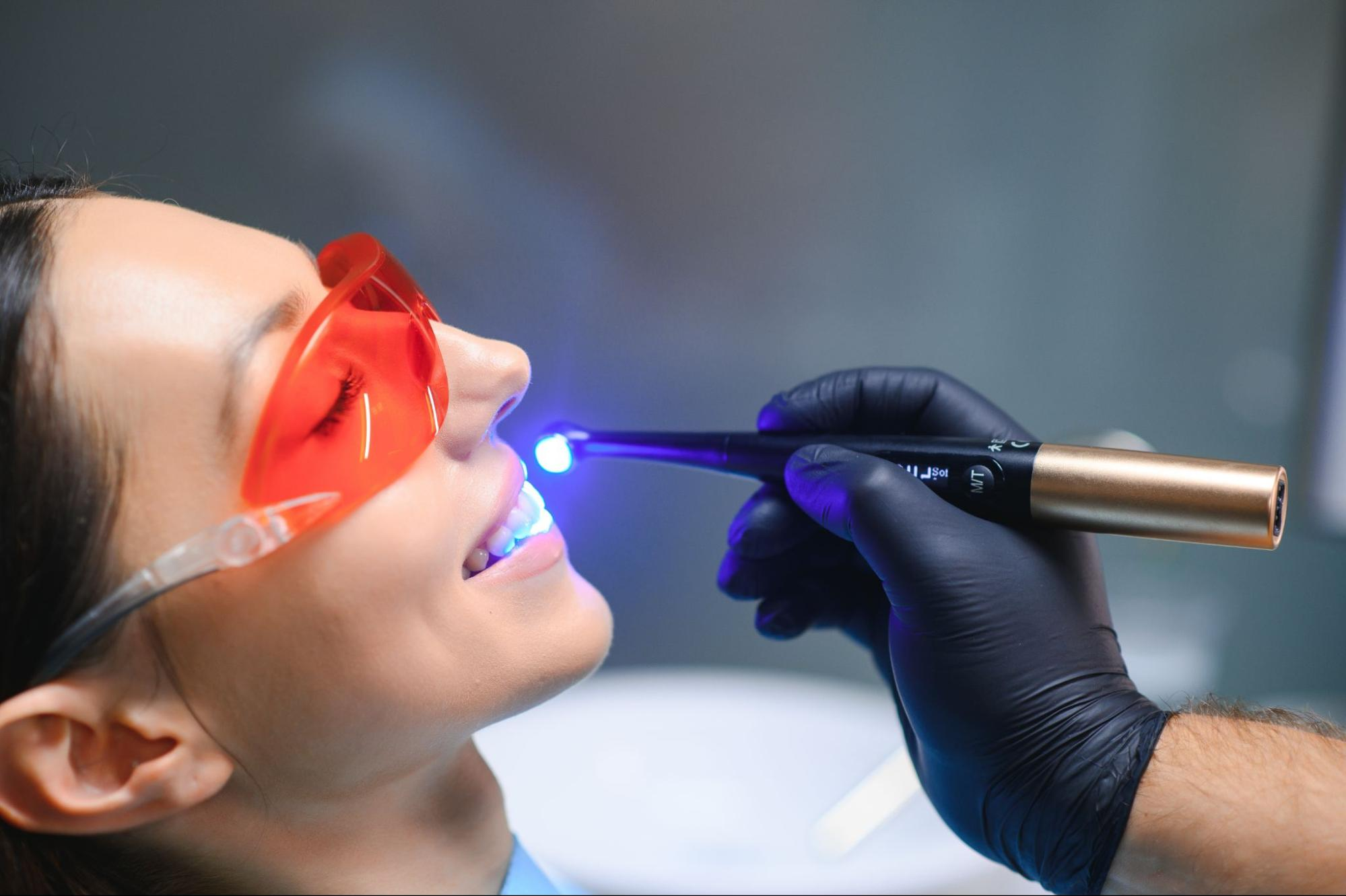
You trust your mouth to your dentist. You should also trust the tools your dentist uses. Today, general dentistry leans on digital technology to catch problems early, plan treatment with care, and protect healthy teeth. Simple changes in tools can mean fewer guesses, fewer repeat visits, and less pain. Digital X-rays cut radiation and show small decay. Intraoral cameras let you see what your dentist sees. 3D scanners and software guide crowns and implants so they fit well the first time. The goal is clear. You deserve accurate answers, clear images, and steady hands guided by real data. When you visit a dentist in North Scottsdale, Westland, and The Boulders, you should expect this level of care. You should see screens, sensors, and scans used in a calm way that supports you. Technology should not replace your dentist. It should sharpen your dentist’s judgment.
Why accuracy in dental care matters to you
Small mistakes in your mouth can grow fast. A missed cavity can reach the nerve. A crown that does not fit can crack a tooth. Poorly planned treatment can waste money and time.
Modern tools help your dentist:
- See trouble earlier
- Plan treatment with clear steps
- Check results after treatment
This means fewer surprises for you. It also means you can see proof of what is happening in your mouth.
Digital X-rays for clearer, safer images
Digital X-rays use sensors instead of film. The image appears on a screen in seconds. Your dentist can zoom in, change contrast, and spot tiny spots of decay.
The United States Food and Drug Administration explains that dental X-rays use low radiation when used with care.
With digital X-rays, your dentist can:
- Measure bone levels around teeth
- Check for infections at the root
- Track changes over time
Quicker images mean your dentist can act during the same visit instead of waiting for film to develop.
read more : https://bistrover.com/
Intraoral cameras that let you see what your dentist sees
Intraoral cameras are small cameras that fit in your mouth. They show a live picture of your teeth and gums on a screen.
These cameras help you:
- See cracks, stains, and worn fillings
- Understand why a tooth needs treatment
- Follow progress as your mouth heals
They also help your dentist record your mouth in detail. Pictures support notes and X-rays. This record helps with future visits and second opinions.
3D scanning and digital impressions
Many people remember messy impression trays. Digital scanners replace that with a small wand that takes many pictures. Software turns these pictures into a 3D model of your teeth.
That 3D model helps your dentist:
- Plan crowns, bridges, and implants with tight fits
- Check how your teeth meet when you bite
- Share accurate data with the dental lab
This cuts the risk of a crown that feels too high or too loose. It also lowers the chance that you need a second impression.
Comparing older tools and newer tools
| Type of tool | Older method | Newer technology | Effect on accuracy |
|---|---|---|---|
| X rays | Film on cardboard | Digital sensors | Sharper images and better detail |
| Tooth impressions | Messy trays with putty | 3D digital scans | Closer fit and fewer remakes |
| Tooth exam | Mirror and light only | Intraoral camera | Better view of small cracks and stains |
| Bite check | Paper strips | Digital bite scan | More precise bite adjustment |
| Records | Paper charts | Electronic records | Clear history and easier tracking |
Digital records that keep your story clear
Electronic dental records bring your X-rays, pictures, charting, and notes together. Your dentist can see your full history on one screen.
That clear story helps your dentist:
- Notice patterns like repeated decay in one spot
- Track gum health over years
- Share needed data with other providers when you agree
The National Institutes of Health describes how good records support safer care and fewer errors.
What this means for your family
Modern tools help every age group in your home.
For children, accurate pictures catch early decay and help guide growing jaws. Your child may spend less time in the chair because images and scans are fast.
For adults, digital tools support crowns, fillings, and gum treatment with less guesswork. Repeat work costs you time and energy. Better planning reduces that risk.
For older adults, clear images show bone loss and worn teeth. Your dentist can plan care that protects chewing and speech.
How to talk with your dentist about technology
You have the right to ask clear questions. During your visit, you can ask:
- What digital tools do you use for diagnosis
- Can you show me my X-rays and pictures on the screen
- How does this scanner or camera help you plan my treatment
- How do you store and protect my records
Honest answers build trust. Clear pictures build understanding. Together, they guide smart decisions about your mouth.
Using technology without losing the human touch
Machines do not replace careful hands. They support judgment. A skilled dentist uses technology to confirm what they see, not to avoid a close exam.
You should still expect:
- A full visual exam of your teeth, gums, and tongue
- Questions about your health and habits
- Plain language about choices and risks
When tools and human care work together, your treatment becomes more accurate. You gain fewer surprises, more control, and a calmer visit.
read more : https://bistrover.com/