
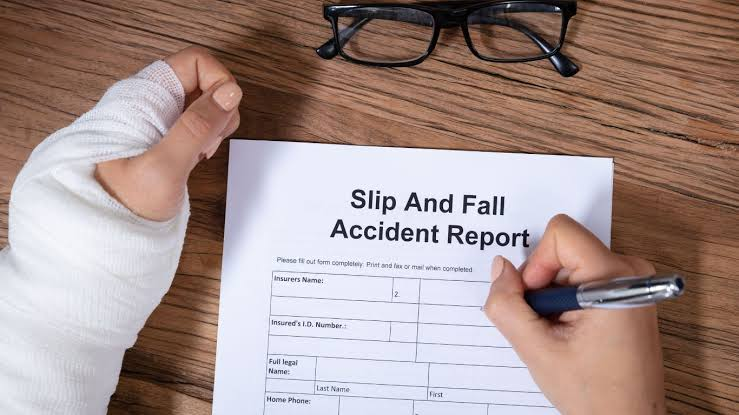
How To Prove Liability In A Trip And Fall Injury Claim
You might be feeling that strange split between before and after. Before the fall, it was a normal day. After it, there may be pain, medical visits, missed work, and a growing sense that something went wrong, but proving it feels harder than it should. That reaction is understandable. As Philly Slip and Fall Guys know, a trip and fall can seem simple on the surface, yet a legal claim often turns on details that are easy to miss in the first few hours or days.
The short answer is this. To prove liability in a trip and fall injury claim, you usually need to show that a property owner or business had a duty to keep the area reasonably safe, failed to do that, and caused your injury as a result. In legal terms, that is the basic idea of negligence. The challenge is not just saying you fell. It is showing why the fall happened, who should have fixed the hazard, and how the evidence connects your injuries to that unsafe condition.
Why Is Proving Fault In A Trip And Fall Case Often Harder Than People Expect?
Many people assume that if they fell on someone else’s property, the owner is automatically responsible. That would be easier, but it is not how most claims work. Property owners are not insurers of every accident. You usually must prove that a dangerous condition existed, that the owner knew or should have known about it, and that they did not act reasonably to repair it or warn people.
Because of this tension, you might wonder what counts as a dangerous condition. In a trip and fall injury claim, common hazards include uneven flooring, torn carpet, poor lighting, loose cords, broken stairs, cluttered walkways, or abrupt changes in elevation that are hard to see. Safety guidance on slips, trips, and falls from OSHA shows how often these hazards are linked to preventable injuries in everyday settings.
Then there is the timing problem. What if the store fixes the raised mat right after you fall? What if a manager says no one saw anything? What if the property owner claims you were distracted by your phone? These are the moments when a claim can become frustrating. Evidence fades quickly, and once it is gone, it can be hard to rebuild the scene.
read more : NFT Basics Everyone Should Understand
What Evidence Helps Prove Liability In A Premises Liability Fall Claim?
To prove fault, you need more than a report that says an accident happened. You need evidence that tells a clear story. Photos of the hazard, video footage, witness names, incident reports, medical records, and proof of lost income can all help. In many cases, one of the most important questions is whether the hazard existed long enough that the owner should have discovered it.
Think about two different examples. In one case, a customer trips over a box left in an aisle for hours while employees walk past it. In another, a child drops an item seconds before someone falls. The first situation is more likely to support liability because the hazard may have been there long enough for staff to notice and remove it. The second may be much harder to prove.
This is also where a fall injury liability claim often rises or falls on documentation. Medical records matter because they tie the event to your physical harm. If you wait too long for treatment, the other side may argue that your injury came from something else. Public health data from the CDC also shows how serious falls can be, especially when they lead to fractures, head injuries, and long recoveries. What felt embarrassing in the moment may actually be medically significant.
Should You Handle A Trip And Fall Claim Alone Or Talk To A Personal Injury Lawyer?
You can report the incident yourself and gather basic evidence, but there is a difference between reporting a fall and proving legal responsibility. A property owner, insurer, or defense lawyer may focus on gaps in your evidence, your footwear, where you were looking, or whether the hazard was obvious. That is why many people speak with a personal injury lawyer early, before records disappear and statements harden.
| Issue | Handling It Alone | With Legal Help |
|---|---|---|
| Scene evidence | You may collect photos, but miss camera footage or maintenance logs | Requests can be made for surveillance, inspection records, and reports |
| Proving notice | Hard to show the owner knew or should have known | Prior complaints, cleaning schedules, and employee statements may be reviewed |
| Insurance contact | You may give a statement that hurts your claim | Communication can be managed with your legal position in mind |
| Damage valuation | Medical bills are easier to count than future care or pain | Both current and long term losses can be assessed |
So, where does that leave you? Usually with a simple truth. The sooner you understand what must be proven, the better chance you have of protecting your claim.
What Can You Do Right Now To Strengthen Your Claim?
1. Document the hazard and the aftermath. Take photos of the exact spot, your injuries, your shoes, and anything nearby that helps explain what happened. If there were witnesses, get names and contact information. Ask whether an incident report was created and request a copy if possible.
2. Get medical care and follow through. Even if you hope the pain will pass, get evaluated. Tell the provider exactly how the fall happened and where you hurt. Keep records of appointments, treatment, prescriptions, and time missed from work. Consistent care helps connect the event to your injuries.
3. Be careful with statements and deadlines. Do not guess, minimize, or accept blame in a recorded statement. Save receipts, messages, and any letters from the property owner or insurer. If you are considering a trip and fall lawsuit, speaking with a personal injury lawyer early can help you avoid mistakes that are hard to fix later.
When You Are Ready, The Next Step Can Be Simple
If you are trying to figure out how to prove liability in a trip and fall injury claim, you do not need to have every answer today. What matters is preserving the facts while they are still fresh and getting clear guidance on what your case may require. A fall can disrupt your health, your work, and your peace of mind, but it does not have to leave you guessing about your rights. When you are ready, talk with a personal injury lawyer about what happened and what evidence can support your claim.






3 Comments