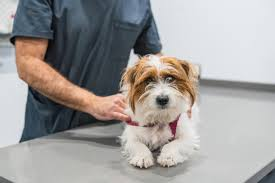
How Vets Detect Silent Illnesses During Wellness Exams
You bring your pet in for a wellness exam, and everything seems fine. Your pet eats, plays, and greets you at the door. Still, a quiet illness can grow under the surface. Routine exams help catch sickness before it erupts into crisis. During a wellness visit, a veterinarian does much more than look and listen. You see a quick check. The vet sees patterns, warning signs, and changes that you might miss at home. Through hands, eyes, and simple tools, the vet searches for silent problems in organs, joints, mouth, skin, and behavior. Each heartbeat, breath, and lab test tells a story about hidden strain. If you use a veterinary in Oakville, ON, the same quiet checks protect your pet. Early answers mean simpler treatment, lower cost, and less suffering. You gain time. Your pet gains comfort.
Why silent illnesses are so dangerous
Many pet diseases grow without clear signs. You may not see pain. You may not notice slow weight change or thirst. Your pet trusts you and keeps moving through the day.
Common silent problems include:
- Kidney disease
- Heart disease
- Diabetes
- High blood pressure
- Cancer
- Dental infection
- Thyroid disease
- Early arthritis
These conditions can damage organs for months before your pet shows clear signs. Regular exams give you a chance to stop that damage early.
What vets check with their eyes and hands
The first tools are simple. A calm voice. Careful eyes. Steady hands. The exam often follows a clear pattern, so nothing gets missed.
Most vets:
- Watch how your pet walks and stands
- Check weight and body shape
- Look at eyes, ears, nose, and mouth
- Feel lymph nodes, abdomen, and muscles
- Listen to heart and lungs with a stethoscope
- Check skin and coat for lumps, redness, or parasites
Each small step can uncover a quiet problem. A stiff step can hint at joint disease. A pale gum line can hint at anemia. A new lump can be harmless or a sign of cancer. The goal is to catch change when choices are still wide.
How simple tools expose hidden trouble
Vets use basic instruments that reveal more than you can see at home. These tools include:
- Stethoscope for heart rhythm and lung sounds
- Otoscope for ear canals and eardrums
- Ophthalmoscope for inside the eyes
- Thermometer for body temperature
- Blood pressure cuff for hypertension
A heart murmur can suggest valve disease. Crackles in the lungs can suggest fluid buildup. A raised temperature can signal infection. A high blood pressure reading can mean kidney disease or other hidden strain.
Blood and urine tests that catch quiet disease
Physical touch finds many problems. Still, some changes only appear in blood and urine. Routine lab work turns a normal visit into a strong safety net.
Common tests include:
- Complete blood count
- Chemistry panel for organs
- Urinalysis
- Thyroid test for older pets
The U.S. Food and Drug Administration explains that regular lab tests help find early kidney disease, liver trouble, and infection. These diseases often stay silent until organ damage is severe.
What wellness tests can find: a quick comparison
| Test or Check | What the vet looks for | Silent illnesses often found |
|---|---|---|
| Physical exam | Lumps, swelling, pain, heart sounds, lung sounds | Cancer, arthritis, heart disease, lung disease |
| Weight and body score | Weight gain or loss, muscle loss | Diabetes, thyroid disease, chronic illness |
| Dental exam | Tartar, gum redness, loose teeth | Dental infection, heart and kidney strain from bacteria |
| Blood work | Red and white cells, organ values, blood sugar | Kidney disease, liver disease, diabetes, infection, anemia |
| Urinalysis | Protein, sugar, blood, crystals | Kidney disease, bladder infection, stones, diabetes |
| Blood pressure | High or low pressure readings | Kidney disease, heart disease, eye damage, stroke risk |
Age matters: how exams change over time
Puppies and kittens need vaccines and early checks. Adults need steady yearly exams. Senior pets often need more frequent visits and more lab work.
The American Veterinary Medical Association suggests yearly exams at a minimum. Older pets and pets with known diseases often need checks every six months. Age increases risk for cancer, kidney disease, and heart failure. Closer monitoring gives you a chance to act before a crisis visit.
Your role before and after the exam
You know your pet best. You see daily habits. You notice small changes that appear over weeks. Bring that knowledge to the visit.
Before the exam, write down:
- Changes in appetite or thirst
- Changes in weight or body shape
- Changes in energy or sleep
- Coughing, sneezing, or trouble breathing
- Vomiting, diarrhea, or constipation
- Limping or stiffness
- New lumps or sores
After the exam, ask clear questions. Ask what was normal. Ask what needs watching. Ask when to return. Then follow through with any tests, diet changes, or medicines. Steady care at home keeps the exam useful.
Why regular wellness exams are worth it
Silent disease can move fast once signs appear. Emergency visits cost more and bring more fear. Routine exams trade surprise for control. You gain early choices. Your pet gains steady comfort.
When you keep up with wellness visits, you:
- Catch illness early when treatment works better
- Reduce risk of a sudden crisis and hospital stays
- Plan for long-term care instead of reacting in panic
You cannot stop every disease. You can remove some of the shock. You can give your pet a stronger chance at a longer, easier life.
Top Mistakes SMBs Make in IT Project Management and How to Fix Them