The Growing Need For Preventive Screenings In Veterinary Clinics
Pets often suffer in silence. You may not see the first signs of disease. By the time you notice, the damage can be serious and permanent. That quiet risk is why preventive screenings in veterinary clinics matter more each year. Longer lifespans, indoor living, and processed food change how pets get sick. Regular tests catch kidney trouble, diabetes, heart issues, and cancer early, when treatment works best and costs less. You gain time, options, and control. Your pet gains comfort. In a busy Chicago veterinary clinic, teams already see more hidden illness during routine visits. They see pets that “look fine” on the outside but show real warning signs in bloodwork, X-rays, and simple exams. This blog explains why screenings are no longer extra care. They are basic care. You will learn what to ask for, how often, and how these checks protect your pet’s future.
Why early checks matter
You know your pet’s habits. You see the way they eat, play, and sleep. Yet many serious diseases grow quietly inside the body long before you see clear changes. Kidneys fail slowly. Hearts strain for months. Tumors grow in organs you cannot see.
Routine screenings shine a light on that hidden damage. Simple tests often uncover problems years before a crisis. That early warning changes everything. Treatment can start sooner. Pain can be lower. Hospital stays can be shorter.
The American Veterinary Medical Association explains that annual or twice-yearly exams with lab tests find disease earlier and improve outcomes. You can read more at AVMA preventive care guidance.
What preventive screenings include
Preventive screenings are not one single test. They are a set of checks that work together. Each one shows a different part of your pet’s health.
Common screenings include three core groups.
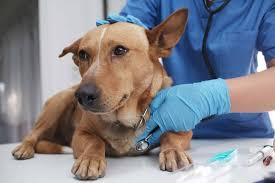
- Physical exam. The veterinarian checks eyes, ears, teeth, heart, lungs, skin, joints, weight, and body shape.
- Blood and urine tests. These look at organ function, blood sugar, infection, and hydration.
- Imaging and stool tests. X-rays, ultrasound, and fecal tests can uncover tumors, stones, parasites, and spine or joint issues.
Each visit does not need every test. The right mix depends on your pet’s age, species, and known risks.
read more : https://bistrover.com/
How needs change with age
Puppies and kittens, adult pets, and senior pets have different risks. Screening needs shift as the body ages.
| Life stage | Typical age | Screening focus | Visit frequency |
|---|---|---|---|
| Puppy or kitten | Up to 1 year | Vaccines, parasites, growth, birth defects | Every 3 to 4 weeks, then yearly |
| Adult | 1 to 6 years dogs, 1 to 7 years cats | Weight, teeth, heartworm, baseline lab work | At least once per year |
| Senior | 7 years and older dogs, 8 years and older cats | Kidneys, liver, heart, cancer, arthritis, cognition | Every 6 months with lab tests |
Common diseases screenings uncover
Preventive screenings often reveal three major groups of disease.
- Silent organ disease. Kidney failure, liver disease, and thyroid problems can hide behind normal behavior.
- Metabolic disease. Diabetes and Cushing’s disease often begin with small lab changes before clear symptoms.
- Cancer and blood disorders. Abnormal cells, anemia, or clotting issues may show in bloodwork before you see a lump.
Screenings also uncover dental disease, ear infections, allergies, and joint problems. These may seem minor at first. Over time, they cause severe pain, infection, and behavior changes.
Costs, emergencies, and long-term savings
Many families worry about cost. That concern is real. A set of screening tests adds to the bill for a routine visit. Yet ignoring early checks often leads to shock costs later.
Compare two paths.
| Care path | Typical timing | What happens | Likely cost impact |
|---|---|---|---|
| With regular screenings | Yearly or twice yearly | Disease caught early. Treatment starts before a crisis. | Smaller, planned costs. Fewer emergency visits. |
| Without screenings | Only when pet looks sick | Disease found late. Higher risk of sudden collapse. | Large emergency bills. Longer hospital stays. |
You cannot control every disease. You can reduce the chance of a midnight rush to an emergency room with no warning and no plan.
How often you should ask for screenings
You do not need to guess. You can ask your veterinarian three simple questions.
- How often should my pet have a full exam and lab work based on age and breed
- Which tests matter most right now
- What changes at the next life stage
As a general guide, you can follow three steps.
- Schedule at least one wellness visit every year for healthy adult pets.
- Increase to every six months when your pet enters the senior years.
- Add blood, urine, and stool tests at least once a year, more often for seniors or high-risk breeds.
How to prepare for a screening visit
You can make each visit stronger with simple preparation. You do not need medical skills. You only need attention and honesty.
Before the visit, write down three lists.
- Any changes in eating, drinking, peeing, or pooping.
- Any changes in sleep, play, or mood.
- All foods, treats, and medicines, including over-the-counter items.
You can bring recent photos or videos of coughing, limping, or strange behavior. Those details help your veterinarian choose the right tests and read the results in context.
Protecting your pet’s future
Preventive screenings in veterinary clinics are not a luxury. They are a basic shield for your pet’s health. Early checks expose hidden disease. They reduce suffering. They protect your savings and your peace of mind.
You cannot promise your pet a life without illness. You can promise not to look away from the warning signs that tests can reveal. Each screening visit is a clear act of care. It says your pet’s quiet pain will not stay unseen.