Why Dental Implants Are An Investment In Long Term Oral Health
Missing teeth do more than change your smile. They change how you eat, speak, and feel about yourself. Over time, gaps in your mouth can cause bone loss, shifting teeth, and pain that grows. Quick fixes may seem easier. They often fail and lead to more work and more cost. Dental implants give a steady base for new teeth. They protect your jaw, support your bite, and help you avoid repeat treatment. If you live with loose dentures or broken teeth, you may feel worn down. You deserve a solution that lasts. This is where dental implants Queens can guide your choice. You are not just paying for a new tooth. You are choosing stronger bone, safer chewing, and less strain on the rest of your mouth. This blog explains how implants protect your long term oral health and your daily comfort.
What A Missing Tooth Does To Your Mouth
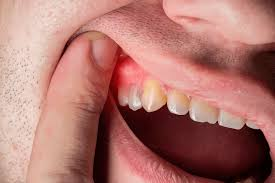
A missing tooth is not just an empty space. Your jawbone needs steady pressure from chewing. Without a tooth root, the bone in that spot starts to shrink. Neighboring teeth tilt and move. Food packs between teeth. Gums swell and bleed. Your bite shifts and your jaw joints work harder.
Over time you may face three problems.
- Bone loss in the jaw
- Loose or worn teeth near the gap
- Jaw pain and headaches from a changed bite
The National Institute of Dental and Craniofacial Research explains that tooth loss is linked to gum disease and bone loss in the mouth.
How Dental Implants Work
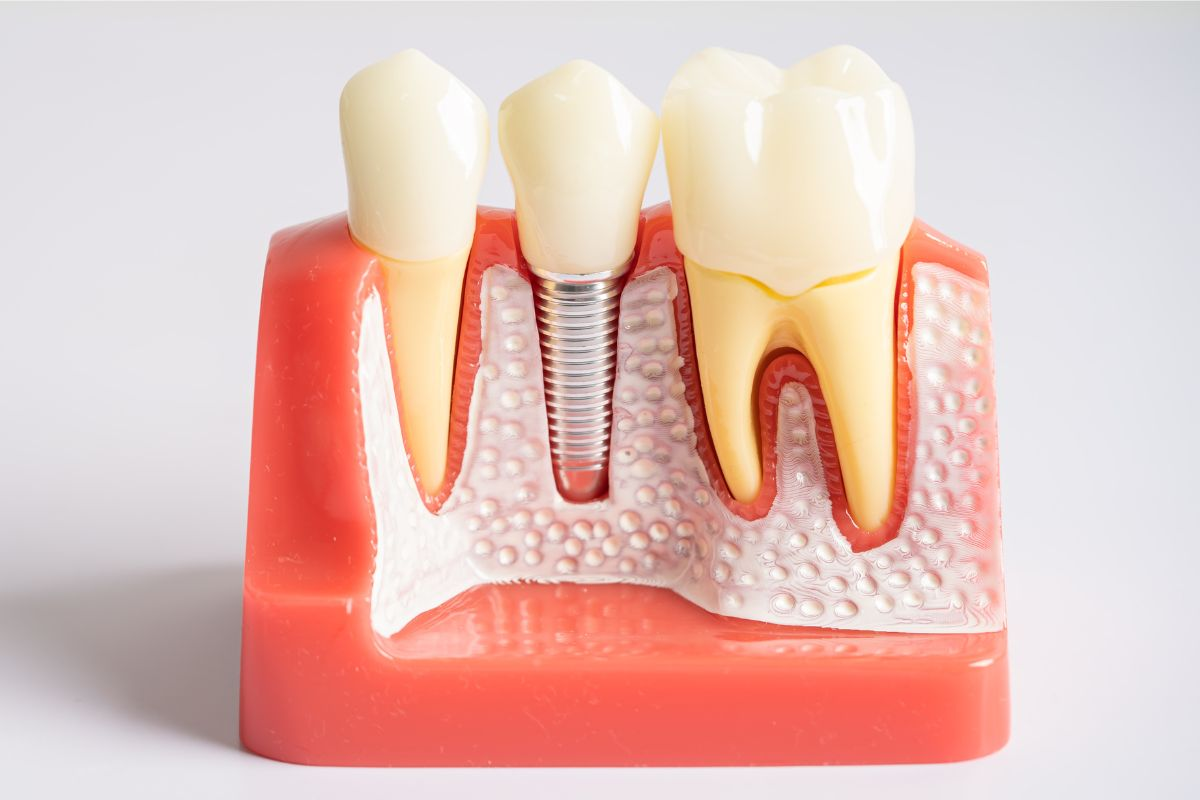
A dental implant is a small post that acts like a tooth root. A surgeon places it into the jawbone. Over time, the bone grows around it and locks it in place. Then a connector and a crown go on top. The crown looks and works like a natural tooth.
An implant has three parts.
- The implant post in the bone
- The connector that links post and crown
- The crown that you see when you smile
This design spreads chewing force into the bone. It keeps the bone active. It also keeps nearby teeth from drifting into the gap.
Implants Compared To Bridges And Dentures
You may hear about bridges or removable dentures as other choices. Each option helps you chew. Only implants replace the root and protect bone.
| Feature | Dental Implant | Dental Bridge | Removable Denture |
|---|---|---|---|
| Replaces tooth root | Yes | No | No |
| Helps prevent jawbone loss | Yes | Limited | No |
| Support from nearby teeth | No | Yes, teeth must be trimmed | No, rests on gums |
| Stability while chewing | High | Medium | Low to medium |
| Average lifespan with care | 20 years or more | 5 to 10 years | 5 to 8 years |
| Risk of rubbing sores on gums | No | Low | High |
| Effect on speech | Feels like natural teeth | Usually mild change | Can slip and affect speech |
The American Dental Association notes that implants can last many years with proper care.
Why Implants Protect Long Term Oral Health
Implants do more than fill a gap. They protect the whole mouth.
- Preserve jawbone. The implant signals the bone to stay strong. This helps keep your jaw shape and your face shape.
- Protect neighboring teeth. A bridge needs support teeth to be trimmed. An implant leaves healthy teeth alone.
- Keep your bite steady. A firm tooth keeps others from drifting. This lowers the risk of new cracks and wear.
This steady support reduces future dental work. It lowers the chance of new root canals, extractions, or more dentures.
Daily Comfort And Confidence
Missing teeth can cause shame and fear. You may hide your smile, avoid photos, or skip social events. Loose dentures can trigger the same feelings. You may worry they will move when you laugh or cough.
Implants help you.
- Chew many foods without worry
- Speak without a lisp or clicking plate
- Smile without fear of slipping parts
This calm comfort affects how you eat, work, and connect with others. It touches your mental health along with your oral health.
Cost Today Versus Cost Over Time
The first cost of implants can seem high. Yet short-term fixes can trap you in repeat spending. A bridge may need to be replaced more than once. A denture may need many adjustments as your bone shrinks. Each visit adds cost and time off work.
When you look at years of use, implants often cost less per year. They also reduce hidden costs like pain, lost teeth near the gap, and limits on what you can eat. You invest once to avoid a cycle of repairs.
read more : Why Preventive Care Matters In General Dentistry
Who May Be A Candidate
Many adults can receive implants. You may be a good match if you have.
- One or more missing teeth
- Healthy gums
- Enough bone or are able to build bone
- A habit of brushing, flossing, and regular checkups
Children still growing usually wait. Heavy smoking or uncontrolled health conditions can affect healing. A dentist and surgeon will review your health, your medicines, and your goals before any treatment.
How To Care For Dental Implants
Implants need the same care as natural teeth. You protect your investment with three simple habits.
- Brush twice a day with a soft brush
- Clean between teeth every day with floss or small brushes
- See your dental team on a regular schedule
Also limit sugary drinks and tobacco. These increase your risk of gum infection around the implant. With steady care, many implants last decades.
Taking The Next Step
If you feel tired of loose dentures, missing teeth, or repeated dental work, you have a choice. You can keep patching problems. Or you can choose a steady fix that protects your jaw, your bite, and your peace of mind. A visit with a qualified implant provider lets you ask clear questions about your mouth, your budget, and your options.
Your mouth affects how you eat, speak, and connect with others every day. Dental implants are not only about a new tooth. They are about long term oral health, steady comfort, and the strength to smile without fear.