How Periodontists Treat More Than Just Gum Disease
You might think a periodontist only treats gum disease. That belief can keep you from getting care that protects your whole body. Healthy gums support your teeth, jaw, heart, and even blood sugar. When infection or bone loss grows, it does not stay in your mouth. It can strain how you eat, sleep, and speak. It can also raise your risk for serious illness. A periodontist looks beyond bleeding gums. You receive care for bone loss, loose teeth, receding gums, and jaw pain. You may also get treatment for worn teeth and bite problems that affect your joints. Some offices even provide TMJ treatment in King of Prussia, PA. This kind of care can ease headaches, neck pain, and grinding. When you understand what a periodontist really treats, you can ask for help earlier. You then protect your health, not just your smile.
How Gum Health Connects To Your Whole Body
Your gums hold your teeth in place. They also act as a shield against infection. When gums swell or bleed, germs can slip into your blood. That can place strain on your heart and blood vessels. It can also make blood sugar harder to control.
Research links gum disease with heart disease, stroke, and diabetes. The Centers for Disease Control and Prevention explains that untreated gum disease can lead to tooth loss and other health problems. You may notice only mild bleeding at first. Yet inside your mouth, bone can already start to break down.
When a periodontist treats your gums, you also lower the strain on the rest of your body. That care supports your energy, your sleep, and your daily routine.
What A Periodontist Really Treats
A periodontist focuses on the support system around your teeth. That includes gum tissue, bone, and the way your teeth fit together when you bite. Care often covers three main concerns.
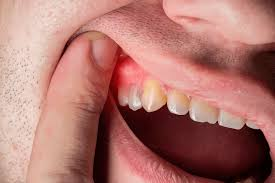
- Gums that bleed, swell, or pull away from teeth
- Bone loss that causes loose or shifting teeth
- Bite and jaw strain that leads to pain or grinding
Here are common services you may receive.
- Deep cleanings that remove hardened plaque under the gums
- Gum repair to cover roots and reduce sensitivity
- Bone repair to rebuild support around teeth
- Tooth removal when a tooth cannot be saved
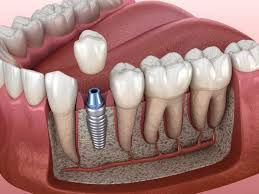
- Dental implants to replace missing teeth
- Bite and jaw care for clenching, grinding, or joint pain
Each step aims to stop infection, protect bone, and relieve pressure on your jaw.
Periodontists And TMJ, Jaw Pain, And Headaches
Many families live with chronic jaw pain. You may hear clicking when you open your mouth. You may wake with tight cheeks or dull headaches. These problems often come from the joints in front of your ears. These joints help you chew and speak. They can wear down when your bite is off or when you grind at night.
A periodontist who treats these joints looks at three things.
- How your teeth touch when you close your mouth
- How your jaw moves when you chew and speak
- Where you feel pain, pressure, or tightness
Care may include bite adjustments, guards you wear at night, or repair of worn teeth and gums. Some plans also protect dental implants from grinding. When your bite is balanced, your joints work with less strain. That can ease jaw pain, ear fullness, and some headaches.
Gum Treatment, Implants, And Your Bite
Missing or loose teeth change how you chew. Your jaw then works harder on one side. Over time, that can twist your bite and stress your joints. Periodontists manage this chain reaction.
They treat infection first. They clean deep around the roots. They may use medicine in the pockets around the teeth. Next, they decide which teeth can stay. They work to save teeth when possible. When a tooth must come out, they plan how to replace it.
Dental implants help keep the jaw strong. The National Institute of Dental and Craniofacial Research explains that implants act like tooth roots and support chewing. Periodontists place implants in precise spots so your new teeth share the bite evenly. That protects your joints and helps you eat with less strain.
Comparison Of Common Periodontal And Jaw Treatments
| Treatment | Main Goal | Helps With |
|---|---|---|
| Deep cleaning under gums | Remove infection and stop bleeding | Swollen gums, bad breath, early bone loss |
| Gum repair surgery | Cover roots and rebuild gum support | Receding gums, root sensitivity, tooth looseness |
| Bone repair or grafting | Restore jaw support around teeth or implants | Advanced bone loss, future implant sites |
| Dental implants | Replace missing teeth and support chewing | Tooth loss, shifting teeth, bite changes |
| Night guard or bite splint | Reduce clenching and grinding | Jaw pain, headaches, worn teeth |
| Bite adjustment | Balance how teeth meet | High spots on teeth, joint clicking, chewing strain |
What To Watch For At Home
You can watch for warning signs in your own mirror. Catching problems early avoids tooth loss and deep pain. Pay close attention if you notice three or more of these signs.
- Bleeding when you brush or floss
- Red or puffy gums
- Gums pulling away from teeth
- Loose or shifting teeth
- Chronic bad breath
- Jaw pain or tired jaws when you wake
- Clicking or popping in your jaw
- Headaches that start near your temples or ears
If you see these signs, do not wait. Routine cleanings cannot fix deep pockets or joint strain. A periodontist can.
How To Talk With A Periodontist
Many people feel shame about their gums or teeth. That silence blocks care. You deserve clear answers and a simple plan. During your visit, share three things.
- What you feel. For example, pain, bleeding, or tightness.
- When it started. Note if it changed after stress or tooth loss.
- How it affects your life. Mention chewing, sleep, or school and work.
Ask what can be improved right away, what needs more time, and what you can do at home. Strong care is a partnership. Your daily brushing, flossing, and follow-up visits keep the treatment working.
Protecting More Than Your Smile
Gum disease and jaw pain are not small problems. They can steal your sleep, your focus, and your confidence. A periodontist treats more than swollen gums. You receive support for your teeth, bones, joints, and daily comfort. When you act early, you avoid emergency pain and rushed choices.
Your mouth is part of your whole body. When you protect your gums and jaw, you protect your health, your voice, and your time with the people you love.
Top Mistakes SMBs Make in IT Project Management and How to Fix Them