The Role Of Sleep Apnea Screening In Comprehensive Family Dental Exams
Sleep affects your teeth, your heart, and your mood. Yet many people never connect poor sleep with their dental checkups. During a family dental exam, your dentist can often spot early signs of sleep apnea. You may notice loud snoring. You may feel tired all day. Still, you might not know that worn teeth, dry mouth, or a narrow airway can point to a serious sleep problem. A dentist in Morrisville, NC can screen for sleep apnea while checking for cavities and gum disease. That simple step can protect your health and your family’s safety. It can lower your risk of heart trouble and morning headaches. It can also improve your child’s growth, focus, and behavior. This blog explains how sleep apnea screening fits into routine family dental exams, what to expect, and when to speak up about your sleep.
What Sleep Apnea Is And Why It Matters
Sleep apnea means you stop breathing or breathe very little during sleep. Your airway closes or becomes blocked. Your body then gasps for air, and your sleep breaks again and again.
You may notice three common signs.
- Loud snoring with pauses
- Daytime sleepiness and irritability
Your child may show different signs.
- Restless sleep or bedwetting
- Mouth breathing and crowded teeth
- Behavior that looks like ADHD
The National Heart, Lung, and Blood Institute links untreated sleep apnea with high blood pressure, heart disease, stroke, and type 2 diabetes. So early spotting is not only about snoring. It is about protecting your heart and brain.
How Your Dentist Can Spot Sleep Apnea Risks
You see your dentist more often than many doctors. That gives your dental team a clear view of changes in your mouth and jaw over time.
During a full family exam, your dentist may look for three groups of signs.
- Teeth and bite. Worn teeth, cracked enamel, or jaw pain can point to clenching from struggling to breathe at night.
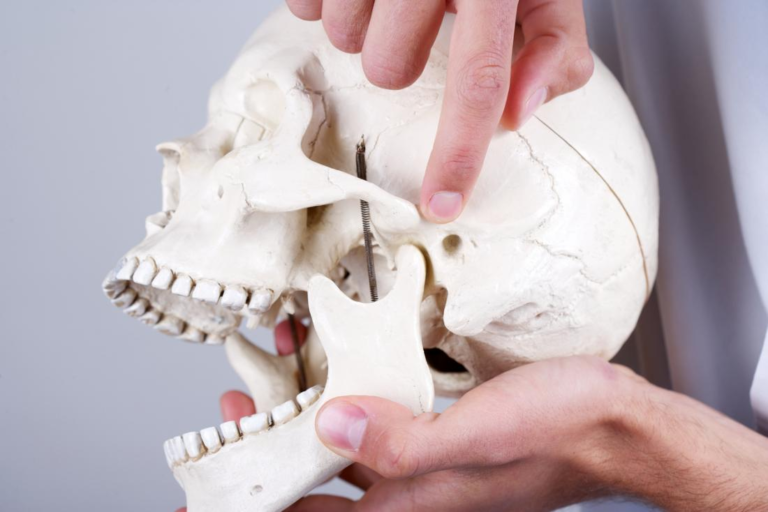
- Soft tissues. A large tongue, long soft palate, red throat, or dry mouth can suggest a narrow airway.
- Face and growth. In children, a long face, small jaw, or crowded teeth can signal trouble with breathing during sleep.
Your dentist may also ask simple questions.
- Do you snore or stop breathing during sleep
- Do you wake up gasping
- Do you feel worn out even after a full night in bed
These questions guide the next step. You may need a sleep study or a medical visit. Or you may only need watchful waiting and repeat checks.
Comparison: Routine Dental Exam Vs Exam With Sleep Apnea Screening
| Feature | Routine Family Dental Exam | Exam With Sleep Apnea Screening |
|---|---|---|
| Main focus | Cavities, gum health, oral cancer | Teeth and gums plus airway and sleep risks |
| Questions asked | Pain, hygiene habits, diet | All routine questions plus snoring, daytime fatigue, bedwetting in kids |
| What the dentist checks | Teeth, gums, tongue, cheeks | Same checks plus jaw size, throat opening, tongue size, wear from clenching |
| Possible next steps | Cleanings, fillings, gum care | Sleep study referral, airway imaging, oral appliance talk |
| Health impact | Better oral health | Better oral health and lower risk of heart and brain problems |
What To Expect During Sleep Apnea Screening At The Dentist
The process fits into a normal visit. It rarely takes much extra time.
You can expect three simple steps.
- Short sleep questionnaire. You may fill out a form about snoring, tiredness, and blood pressure.
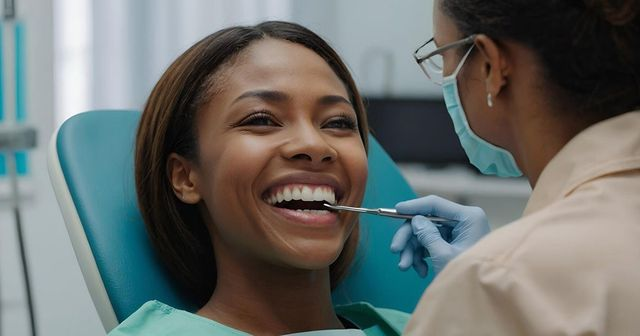
- Targeted oral exam. Your dentist checks your airway space, tongue, tonsils, and jaw joints. You may be asked to breathe in while your mouth is open.
- Discussion and plan. If your risk looks high, you may get a referral for a sleep study. If the risk looks low, you still get tips to protect your sleep.
The National Institute of Dental and Craniofacial Research supports the link between oral health and sleep. You do not need special tests at the dental office first. A careful history and mouth exam guide who needs further testing.
Why Early Screening Helps Your Whole Family
Early sleep apnea screening offers three strong benefits for you and your family.
- Safer days and nights. Treating sleep apnea can cut the risk of car crashes, work injuries, and heart rhythm problems.
- Better moods and focus. You and your children may notice calmer moods and stronger focus at school and work.
- Healthier growth and aging. Kids can grow with a better jaw and face shape. Adults can cause damage to the heart, brain, and blood vessels.
Untreated sleep apnea drains energy and strains relationships. You may snap at loved ones or fall asleep during conversations. You may feel alone and confused. A simple talk with your dentist can open a clear path forward.
When You Should Speak Up About Your Sleep
You should raise sleep concerns at your next family dental visit if any of these are true.
- You snore most nights
- Your partner sees you stop breathing or gasp
- You wake with a dry mouth or sore throat
- You grind your teeth or have jaw pain in the morning
- Your child wets the bed, mouth breathes, or struggles to focus
You do not need perfect words. You can start with a simple line. You can say that you are tired all the time and wonder if your sleep is safe. Your dentist can then guide you step by step.
Taking The Next Step
Sleep apnea screening belongs in every full family dental exam. It turns a routine cleaning into a chance to guard your heart, brain, and daily life. At your next visit, speak up about snoring, tired mornings, or restless kids. You may uncover a hidden problem before it steals more of your health and peace.