How General Dentists Treat Cavities Before They Worsen
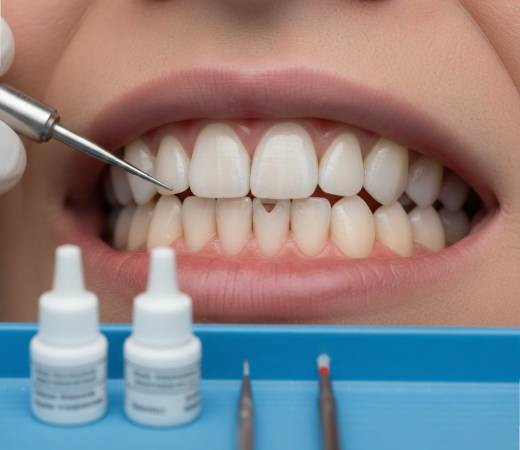
Cavities start small. They grow in silence. You may feel nothing at first. Then one day, a tooth aches, and simple brushing is no longer enough. Early treatment stops that spiral. General dentists look for the first signs of decay during routine exams. They use light, touch, and X‑rays to spot soft spots and stains before they turn into deeper holes. A Southeast Denver dentist can clean out the damaged part of your tooth and seal it. This protects the healthy part from further harm. Quick action can prevent infection, root canals, and extractions. It also keeps your bite strong so you can eat, speak, and rest without distress. This guide explains how dentists find cavities, how they treat each stage, and what you can expect during a visit. You deserve clear facts so you can act early and protect your teeth.
How Dentists Find Cavities Early
You cannot always see a cavity. You may not feel pain. A dentist uses three main tools to find decay before it spreads.
- Visual check. The dentist looks for white spots, dark spots, and tiny holes.
- Gentle probing. A small tool tests for soft or sticky spots in the enamel.
- X‑rays. Images show hidden decay between teeth and under old fillings.
The goal is simple. Catch decay while it touches only the outer layer of the tooth. That stage needs smaller treatment. It also heals faster.
For more on how dentists spot decay, you can read the National Institute of Dental and Craniofacial Research guide on tooth decay.
Stages of Cavities and Matching Treatments
Cavities move through stages. Each stage needs a different response. Early action means less drilling, less time, and lower cost.
| Stage of decay | What you may notice | What the dentist does |
|---|---|---|
| Early enamel change | Often no pain. Maybe white or brown spots. | Fluoride, sealants, close watch. |
| Small cavity in enamel | Sensitivity to sweet, hot, or cold. | Simple filling. |
| Deeper cavity into dentin | Short, sharp pain. Food stuck in the tooth. | Larger filling or onlay. |
| Decay near the nerve | Lingering pain. Night pain. | Crown. Sometimes a root canal. |
| Infected tooth | Throbbing pain. Swelling. Possible fever. | Root canal or extraction. |
Fluoride Treatments and Sealants
When decay is just starting, the enamel can sometimes harden again. Dentists use three tools.
- Fluoride varnish. A sticky coating is brushed on the tooth. It strengthens weak spots.
- Fluoride gel or foam. A tray holds it against your teeth for a few minutes.
- Dental sealants. A thin shield painted into the grooves of the back teeth.
These steps work well for children. They also help adults with deep grooves or dry mouth. The Centers for Disease Control and Prevention explains how sealants protect school-age children.
Fillings: The Most Common Treatment
Once a cavity breaks through the enamel, the dentist removes the decayed part and fills the space. You can expect three simple steps.
- First, the dentist numbs the tooth and the nearby gum.
- Next, the dentist removes the decay and shapes the hole.
- Then the dentist places filling material and hardens it with a light.
Common filling materials include composite resin, silver amalgam, and sometimes glass ionomer. The choice depends on the size of the cavity, the tooth location, and your insurance coverage. A small filling can often finish in under an hour.
When You Need Crowns or Root Canals
If decay is deep, a simple filling may not hold. The tooth may need more support.
A crown covers the whole visible part of the tooth. The dentist shapes the tooth, takes a scan or impression, and places a temporary crown. You return for the final crown once the lab finishes it. A crown protects teeth with large cavities or cracks.
If bacteria reach the nerve, the tooth can still often stay in your mouth. A root canal removes the infected nerve tissue. The dentist cleans the inside of the roots and fills them. After that, you usually need a crown to keep the tooth strong.
Why Early Treatment Protects Your Health
Untreated cavities do more than hurt. They affect daily life in three clear ways.
- You avoid chewing on one side. This strains your jaw.
- You may limit foods. This affects nutrition.
- Ongoing pain drains sleep and mood.
In severe cases, infection from a tooth can spread to the face or neck. That can become a medical emergency. Quick dental care removes that threat before it reaches that stage.
How You Can Help Prevent Cavities
Dentists treat cavities. You can help stop them from forming. Focus on three daily steps.
- Brush twice a day with fluoride toothpaste.
- Floss once a day to clean between teeth.
- Limit sugary drinks and snacks between meals.
Regular checkups every six months give the dentist a chance to spot early decay. Children, pregnant people, and those with diabetes or dry mouth may need closer follow-up. Honest talk with your dentist about pain, diet, and habits helps shape a plan that fits your life.
Taking the Next Step
If you notice sensitivity, dark spots, or food catching in a tooth, do not wait. Call your general dentist and ask for an exam. A simple filling today can spare you from a crown or root canal later. Calm, early care protects your teeth, your comfort, and your peace of mind.