
The Connection Between Preventive Care And Smile Aesthetics
You might be looking in the mirror and thinking your smile just does not look like it used to. Maybe your teeth look a little darker, the edges seem more worn, or your gums are not as even as before. A visit to a North San Antonio family dentist could help you better understand what is going on and what options you have. You brush, you try to floss when you remember, you use whitening strips now and then, yet something still feels off. It can be frustrating, especially if you feel you are doing “enough” but your smile still makes you a bit self conscious in photos or at work.end
There is a quiet truth that many people never hear. The way your smile looks is deeply tied to how well you protect it day after day. Whitening, veneers, and other cosmetic treatments can help, but without steady preventive care, the results never last and often cost more in the long run. The short version is this. If you want a brighter, more confident smile, the foundation is prevention. Cosmetic and restorative dentistry can polish and repair, yet preventive habits decide how long that beauty stays with you.
Why does preventive care matter so much for an attractive smile?
It helps to start with what “preventive care” really means. It is not just getting a cleaning when you feel something is wrong. It is the daily and routine choices that keep disease away so your teeth and gums can stay strong and naturally good looking.
According to the Centers for Disease Control and Prevention, simple habits like brushing with fluoride toothpaste, flossing, limiting sugary drinks, and seeing a dentist regularly are proven ways to protect oral health over time. You can read more about these basic steps in the CDC’s overview of oral health prevention.
So where does that leave you if your smile already feels “behind” where you want it to be? This is where the connection between prevention and appearance becomes personal. When plaque and tartar build up, they do not just threaten cavities. They also stain teeth, create uneven edges near the gumline, and inflame the gums. Inflamed gums look red and puffy, which instantly makes a smile look less healthy, even if the teeth are straight and white.
On the other side, when you commit to consistent preventive care, something shifts. Cleanings remove the film that makes teeth look dull. Gum tissue becomes calmer and more even in color. Early problems are caught before they turn into broken fillings, dark spots, or missing teeth. Your smile starts to look better, not just because of cosmetic work, but because the mouth underneath is actually healthy.
What happens when prevention is ignored and you only chase “cosmetic fixes”?
Imagine two different paths.
On the first path, you decide to skip regular checkups and only see a dentist when something hurts. Years go by. You try whitening strips to brighten your teeth, but the results are patchy because some stains are deep and some are from tartar. A tooth chips while you are eating. A filling breaks. Your gums bleed when you brush. Now you are not just worried about how your smile looks. You are worried about the cost and the time it will take to fix everything.
On the second path, you choose to keep up with preventive care even when things feel “fine.” Professional cleanings keep your teeth smooth and less likely to stain. Small chips or early cavities are corrected with tiny restorations instead of large crowns. Your gums stay firm and pink. When you decide you want whitening or other cosmetic options, the results are more even and last longer because the foundation is stable.
The emotional difference between these two paths is real. The first path often leads to guilt, anxiety, and a sense of “I should have done this sooner.” The second path brings a quiet confidence. You know that if you choose cosmetic or restorative treatments, you are building on solid ground.
Researchers have also highlighted how oral health affects how people feel about themselves and their quality of life. The National Institute of Dental and Craniofacial Research discusses these links in the Oral Health in America executive summary, noting that oral disease does not just affect health, it affects social life, work, and self image.
Because of this, you might start to see preventive care differently. It is not just about avoiding cavities. It is about protecting the appearance and comfort of your smile, so you can move through your day without worrying how it looks when you laugh or speak.
How do preventive habits compare to cosmetic and restorative fixes?
It can help to see the differences clearly. Many people think of whitening or veneers as the “main” way to improve their smile and see cleanings as optional. In reality, they work best together. Here is a simple comparison between everyday prevention and more advanced general, cosmetic, and restorative dentistry.
| Approach | What it focuses on | Short term effect on appearance | Long term impact on your smile |
|---|---|---|---|
| Daily preventive care at home | Brushing, flossing, fluoride, diet choices | Gradual freshness and less surface stain | Fewer cavities, less gum disease, slower wear and discoloration |
| Routine professional checkups and cleanings | Removing tartar, checking for early problems | Teeth look cleaner and smoother after each visit | Early detection of issues that could ruin smile aesthetics later |
| Cosmetic treatments | Whitening, bonding, veneers, contouring | Fast and noticeable improvement in color and shape | Best and longest lasting when gums and teeth are already healthy |
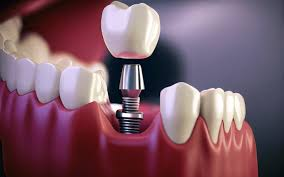
| Restorative treatments | Fillings, crowns, implants, bridges | Restore shape and function after damage | Can protect your appearance, but usually cost more if problems were not prevented |
So the real connection between preventive care and smile aesthetics is partnership. Prevention keeps problems small. Cosmetic and restorative treatments fine tune or repair. When you use them together, you protect both health and appearance instead of trading one for the other.
read more : The Future Of CPA Services In A Digital Economy
What simple steps can you start today to protect the beauty of your smile?
You do not need to overhaul your life overnight. Small, steady changes have the strongest impact on how your smile looks over time. Here are three practical steps you can begin right away.
1. Strengthen your home routine with a few high impact tweaks
Focus on brushing twice a day for two full minutes with a fluoride toothpaste. Fluoride helps harden enamel, which makes teeth more resistant to stains and wear. Floss once a day, even if it feels awkward at first. It is between the teeth where stains, plaque, and early cavities often begin.
If you prefer guidance in Spanish, the NIDCR has a helpful resource on oral hygiene habits that explains these basics clearly. A simple timer, a soft bristle brush, and a small mirror check at night to look at your gums can make a real difference in how your smile looks and feels.
2. Treat preventive visits as your “cosmetic insurance”
Regular professional cleanings and exams are not just about staying out of trouble. They are your quiet cosmetic ally. Your dental team removes hardened deposits that brushing cannot touch. They can polish away many surface stains from coffee, tea, or wine. They also spot tiny chips, early cavities, or gum changes and suggest small fixes before they turn into bigger, more visible problems.
If you are nervous or have skipped visits in the past, you are not alone. Many people avoid care because they feel embarrassed. Remember, a good dental team understands that life gets busy and that shame does not help anyone. You deserve care that meets you where you are and helps you move forward without judgment.
3. Plan cosmetic and restorative work on top of a healthy base
When you think about improving your smile, try to view whitening, bonding, veneers, or crowns as the second step, not the first. The first step is to calm any active disease and get your gums and teeth as healthy as possible. This is how you get the best, most natural looking results from any smile enhancement and preventive dentistry you choose.
For example, whitening works better on teeth that are clean and free of tartar. Veneers last longer when the bite is balanced and gums are not inflamed. Crowns look more natural when the surrounding teeth and gums are healthy. By timing cosmetic and restorative care after solid prevention, you protect your investment and your confidence.
Moving forward with a smile that feels like “you” again
If you have been feeling discouraged about your smile, you are not behind and you are not alone. Many people only realize the tight link between prevention and appearance after they have already noticed changes they do not like. The good news is that your mouth responds quickly when you start to care for it in a steady, thoughtful way.
Every time you brush well, floss, choose water over a sugary drink, or show up for a checkup, you are not just “doing what you are supposed to do.” You are actively protecting the color, shape, and comfort of your smile for years to come. Cosmetic and restorative options in general dentistry will always have a place, but they work best when they are supported by the quiet power of prevention.
You deserve a smile that feels like you and that you can share without hesitation. Starting today, even with one small change, moves you closer to that goal.